
 Pin It
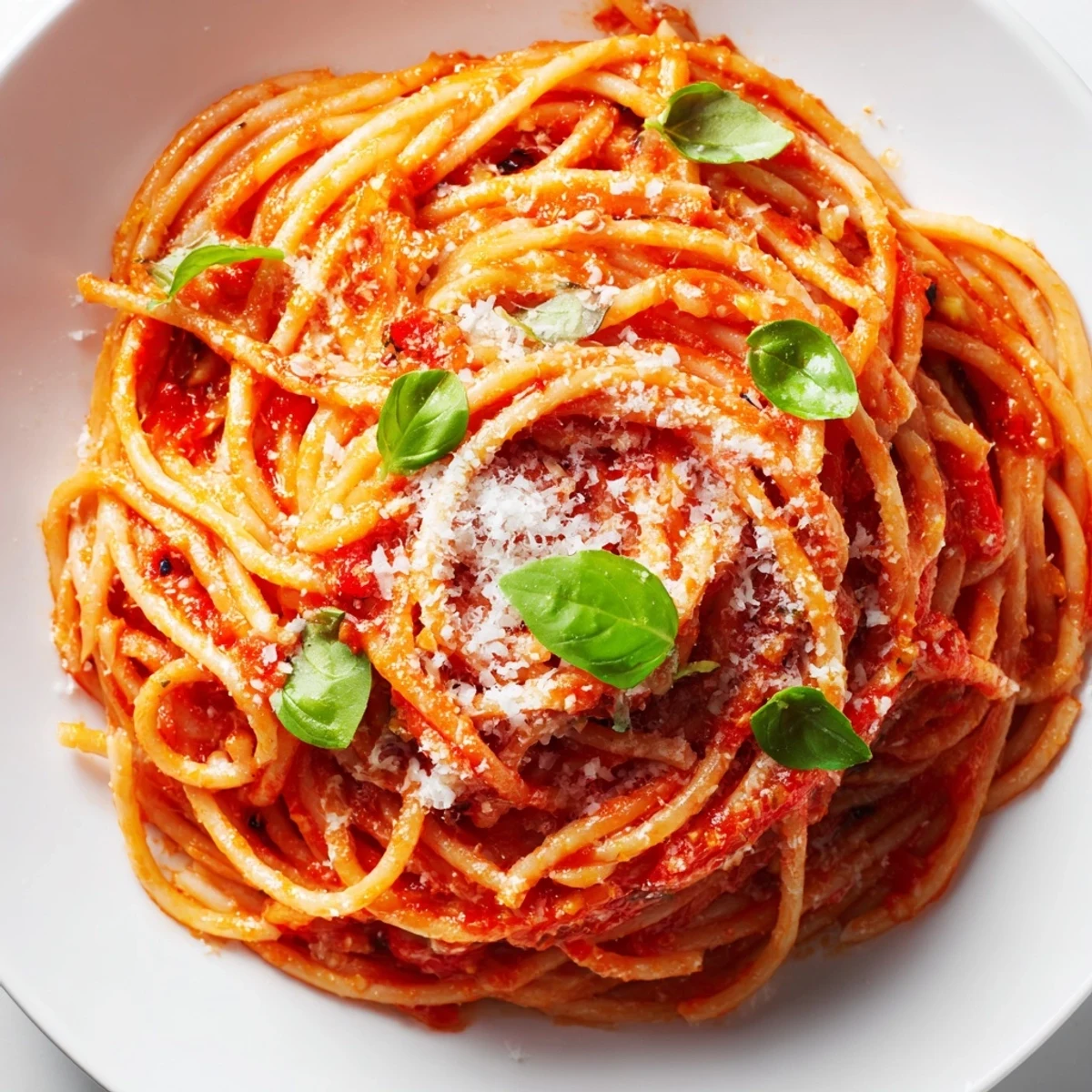
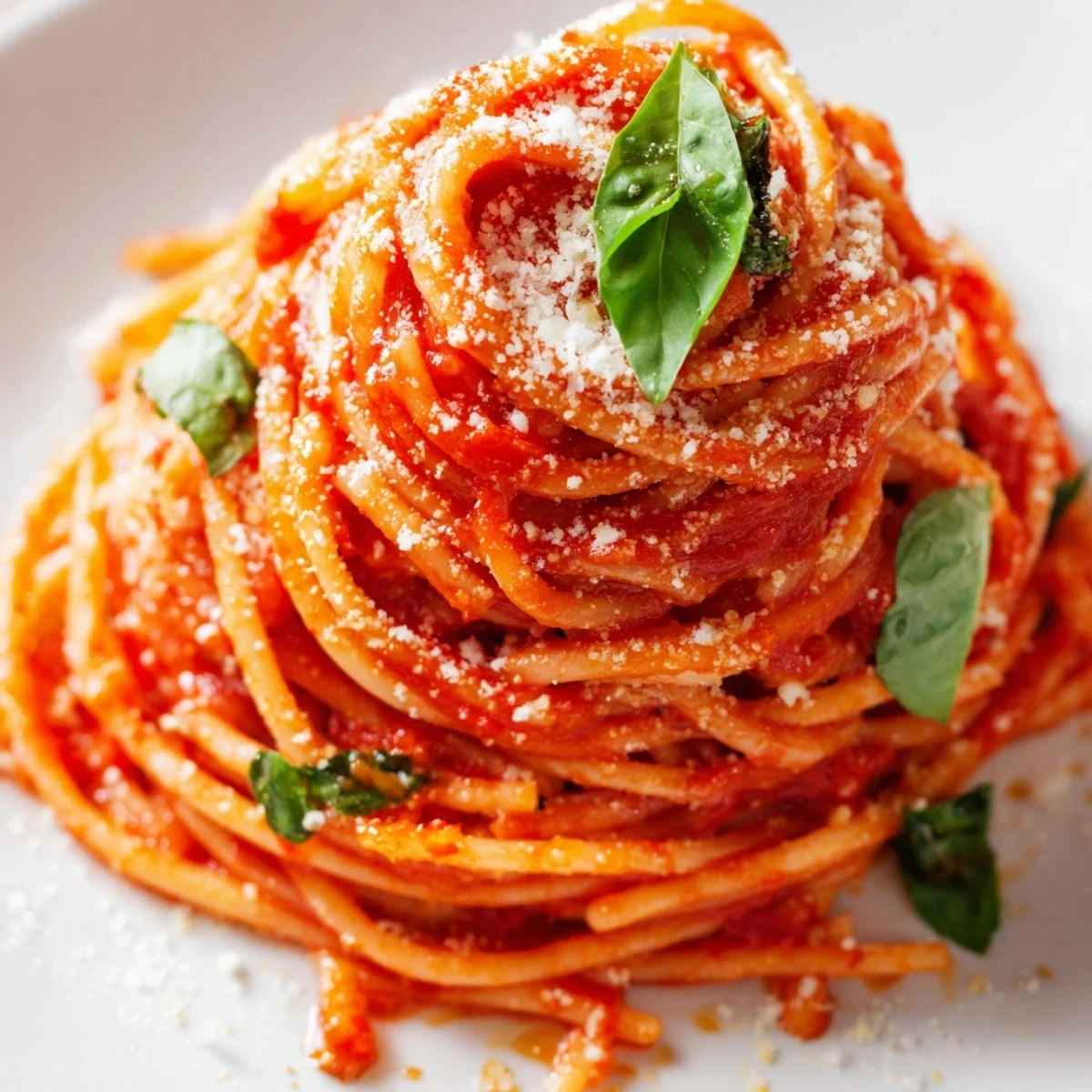
 This classic Italian pasta features tender noodles coated in a vibrant tomato sauce infused with aromatic garlic, onion, and fresh basil. The sauce strikes the perfect balance between sweet tomatoes and savory herbs, while a finish of grated Parmesan adds rich depth. Ready in just 30 minutes with only 10 minutes of active preparation, this dish delivers restaurant-quality results with minimal effort. Ideal for busy weeknights when you want something comforting and satisfying on the table quickly.
The exhaust fan in my tiny apartment kitchen was no match for garlic hitting olive oil on a Tuesday night, but my neighbors never once complained. Some dishes earn their place in your rotation not through grandeur but through sheer reliability, and this spaghetti with tomato and basil is exactly that. It costs almost nothing, dirties one skillet and one pot, and somehow tastes like you tried much harder than you actually did.
A friend once stood in my kitchen watching me tear basil directly into the pot and declared that the single act changed how she thought about cooking, which I found deeply flattering until she admitted she had been using dried basil in everything for a decade.
Ingredients
- 400 g dried pasta: Spaghetti is classic but penne holds the sauce in its ridges beautifully, so pick whatever shape makes you happy.
- Salt for boiling water: The water should taste like mild seawater because this is your only chance to season the pasta itself.
- 2 tbsp olive oil: A good fruity oil makes a noticeable difference here since there are so few ingredients.
- 3 cloves garlic minced: Smash them with the flat of your knife and mince only right before they go in the pan.
- 1 onion finely chopped: A yellow onion cooks down sweeter than white, which balances the acidity of the canned tomatoes.
- 800 g canned crushed tomatoes: San Marzano tomatoes are worth the slight upcharge for their natural sweetness and lower water content.
- 1 tsp sugar: This tames the sharp edge that some canned tomatoes carry, especially in winter.
- 1 tsp dried oregano: Rub it between your palms as you add it to wake up the essential oils.
- 1/2 tsp red pepper flakes: Entirely optional but the gentle background warmth they provide keeps each bite interesting.
- Salt and freshly ground black pepper: Season in layers throughout cooking rather than all at the end.
- 20 g fresh basil leaves torn: Tearing rather than chopping prevents bruising and keeps the leaves looking vibrant.
- 50 g grated Parmesan cheese: Grate it yourself from a wedge because the pre grated kind contains anti caking agents that make it clumpy.
- 1 tbsp olive oil for drizzling: A final glossy drizzle at the end ties everything together with a hint of richness.
Instructions
- Boil the pasta:
- Fill a large pot with water, salt it generously, and bring it to a rolling boil before adding the pasta, then cook until just tender with a slight bite at the center. Scoop out half a cup of the starchy cooking water and set it aside before draining.
- Start the aromatics:
- While the pasta works, warm olive oil in a wide skillet over medium heat and slide in the garlic and onion, stirring until the onion turns glassy and the kitchen smells impossibly good. Keep the heat moderate so the garlic stays golden and never bitter.
- Build the sauce:
- Pour in the crushed tomatoes, sugar, oregano, red pepper flakes if using, and a generous pinch each of salt and pepper, then let the whole thing bubble uncovered for about ten to fifteen minutes. You want it to thicken just enough to coat the back of a spoon.
- Marry pasta and sauce:
- Tumble the drained pasta straight into the skillet and toss vigorously so every strand or tube gets coated, splashing in a little of that reserved pasta water if the sauce seems too tight. The starch in the water acts like a gentle glue that binds sauce to noodles.
- Finish with freshness:
- Kill the heat and scatter in the torn basil, most of the Parmesan, and a final drizzle of olive oil, tossing once more so the residual warmth wilts the herbs without cooking them. Taste now and adjust salt and pepper as needed.
- Plate and serve:
- Divide among warm bowls, shower with the remaining Parmesan, and add an extra basil leaf or two on top if you feel like showing off. Serve immediately because pasta waits for no one.
 Pin It
 I once made this for a group of six on a camping stove during a power outage and everyone agreed it was the best meal of the entire trip, which says more about the recipe than my outdoor cooking skills.
Tools That Make It Easier
A wide deep skillet gives the sauce more surface area to reduce and provides room to toss the pasta without splashing, which a narrow pot simply cannot do. A wooden spoon is gentler on the pan and feels right in your hand for the long stir, while a sturdy colander stationed in the sink ahead of time prevents the last minute scramble to find one.
Making It Your Own
Toss in a handful of sliced olives or capers during the last few minutes of simmering if you want a briny kick, or fold in sauteed zucchini and bell peppers to turn this into a proper vegetable celebration. Cooked Italian sausage or shredded rotisserie chicken also transform it into something heartier for nights when a meatless meal will not cut it.
Storing and Reheating
Leftovers keep well in a sealed container in the refrigerator for up to three days, though the pasta will absorb some of the sauce and become a little softer overnight. Reheat gently in a skillet with a splash of water to loosen everything back up rather than using the microwave, which tends to create uneven hot spots.
- Freeze the sauce on its own for up to three months and cook fresh pasta when you are ready to serve.
- Avoid freezing the combined dish because the pasta texture suffers considerably after thawing.
- Always cool leftovers completely before sealing and refrigerating to prevent condensation from making things watery.
 Pin It
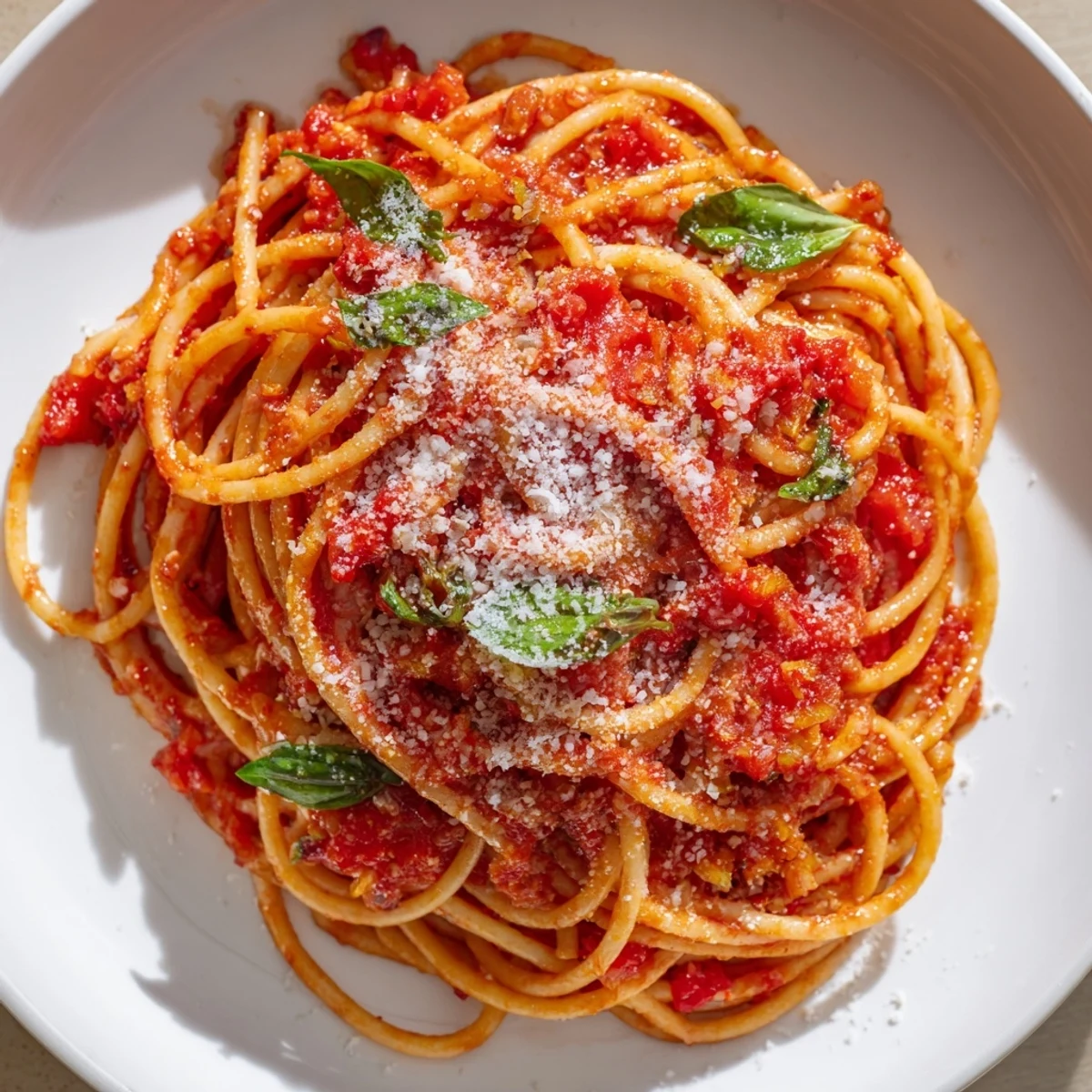
 Some nights the most honest cooking is the simplest, and a bowl of pasta with a bright tomato sauce needs nothing else to feel complete. Make it once and it will quietly become the dish you reach for without thinking.
Recipe Questions
- → What type of pasta works best with this sauce?
-
Spaghetti, penne, or any pasta shape you enjoy works wonderfully. The sauce clings nicely to ridged shapes like penne or coats long strands like spaghetti evenly.
- → Can I use fresh tomatoes instead of canned?
-
Yes, use about 1.5 kg of fresh ripe tomatoes, blanched and peeled. Canned tomatoes provide consistent results year-round and save preparation time.
- → How do I store leftovers?
-
Store in an airtight container in the refrigerator for up to 3 days. Reheat gently with a splash of water to loosen the sauce, adding fresh basil before serving.
- → Is this suitable for vegetarians?
-
Yes, this pasta dish is completely vegetarian. Simply ensure your Parmesan cheese is made with vegetarian rennet or substitute with a vegetarian hard cheese.
- → Can I make this gluten-free?
-
Absolutely. Use your favorite gluten-free pasta and cook according to package directions. The sauce is naturally gluten-free and just as delicious.