
 Pin It
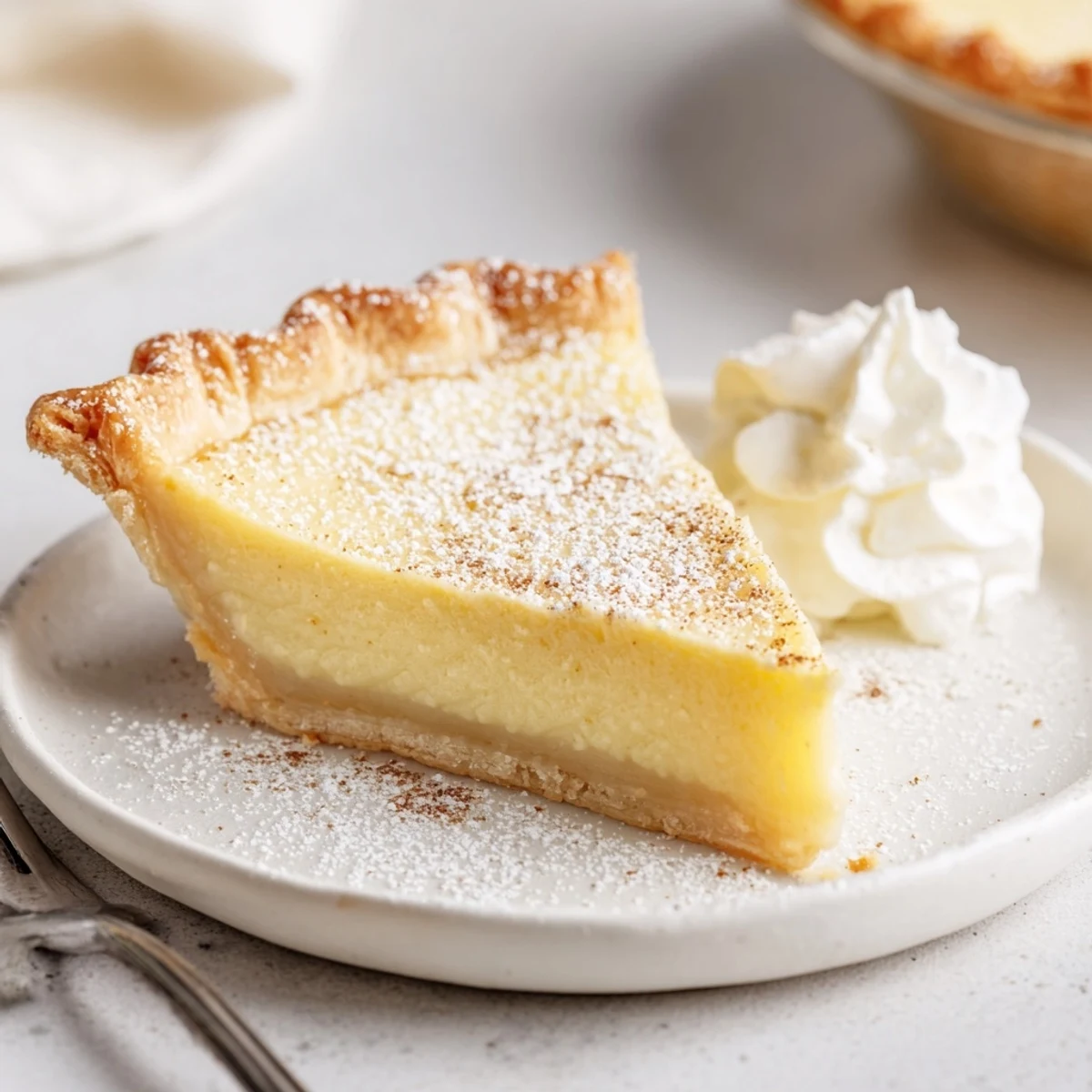
 This custard blends whole milk, heavy cream, eggs, sugar and a touch of cornstarch for a silky, stable set. Warm the dairy, temper the eggs, strain to remove any bits, then pour into a 9-inch unbaked crust and bake at 350°F until the center is just set. Cool on a rack and chill at least two hours. Finish with a dusting of cinnamon or sugared cranberries before serving.
There’s something about the smell of vanilla and cinnamon wafting from the oven that makes a kitchen feel especially inviting as December rolls around. Last year, the furnace rumbled in the background as I whisked together this custard pie on a whim, hoping for a little hygge on a busy weeknight. No holiday playlist or fancy centerpiece—just the quiet warmth of baking and the promise of a slice to share. By the time the pie cooled, curiosity had everyone sneaking forkfuls straight from the pan.
One Christmas Eve, the power flickered and for a few anxious moments we thought dessert was doomed. I still remember my niece—still in her PJs—shuffling over to peek in the oven, worried the pie wouldn’t make it to the table. Luckily, the lights stayed on and the custard finished baking, though we hovered nervously until the center gently trembled just right. Later, everyone agreed it would have been worth eating by candlelight if we had to.
Ingredients
- 9-inch unbaked pie crust: Whether homemade or store-bought, press it gently into the pan for no soggy bottoms—let it overhang a bit for easy crimping.
- Whole milk & heavy cream: The 50/50 blend gives a lusciously soft set without feeling heavy, so don’t sub with skim or all cream.
- Large eggs: Room temperature eggs blend best with the sugar and ensure the custard holds together without curdling.
- Granulated sugar: For just enough sweetness—taste your custard and add a smidge more if your sweet tooth leans that way.
- Cornstarch: This tiny scoop makes the slice extra creamy without being runny, and I’ve learned not to skip it.
- Vanilla extract: Use real vanilla if you can, and let it linger—nothing beats that bold, fragrant finish.
- Ground cinnamon: A full teaspoon and a half in the custard plus extra on top means every bite is cozy (but go light-handed if cinnamon's not your star spice).
- Fine sea salt: Just a pinch brings the flavors together; once I forgot it, and the pie tasted strangely flat.
- Powdered sugar (for topping): Optional, but the snowy dusting is delightful—give it a quick shake through a sieve right before serving.
Instructions
- Prep the crust:
- Preheat your oven to 350°F and nestle the unbaked pie crust into a 9-inch pie pan, shaping or crimping the edges however you like.
- Warm up the dairy:
- In a medium saucepan, combine milk and heavy cream, gently heating until it’s steaming and you see little wisps—not boiling! Just warming until it feels like a bath for your finger.
- Whisk up the custard base:
- In a mixing bowl, briskly whisk together eggs, granulated sugar, cornstarch, vanilla, cinnamon, and salt until the mixture is smooth and streak-free.
- Temper and blend:
- Gradually, in a slow stream, pour the hot milk mixture into the bowl while whisking constantly—don’t rush or the eggs might scramble.
- Strain for silkiness:
- Pour the custard through a fine-mesh sieve to catch any stubborn bits and pour the silky base into a clean bowl.
- Fill the crust:
- Pour the strained custard filling into your pie crust, nudging out any bubbles on top with a toothpick if you spot them.
- Into the oven:
- Bake for 45–50 minutes on the center rack; the center should be set but still jiggle a little like gelatin—keep an eye at the end and tent the edges with foil if they start to over-brown.
- Cool and chill:
- Set the baked pie on a wire rack, letting it cool at room temperature—expect the aroma to summon spectators—and then chill for at least 2 hours before slicing.
- Finish with flair:
- Dust the set surface with ground cinnamon and powdered sugar right before unveiling at the table.
 Pin It
 After our first Christmas Eve bake, my dad declared that it tasted like 'a mug of warm eggnog in pie form', and suddenly everyone wanted seconds despite full bellies. That moment, crowded around the counter nibbling together, turned a simple experiment into a tradition we now look forward to each winter.
How to Garnish and Serve Your Pie
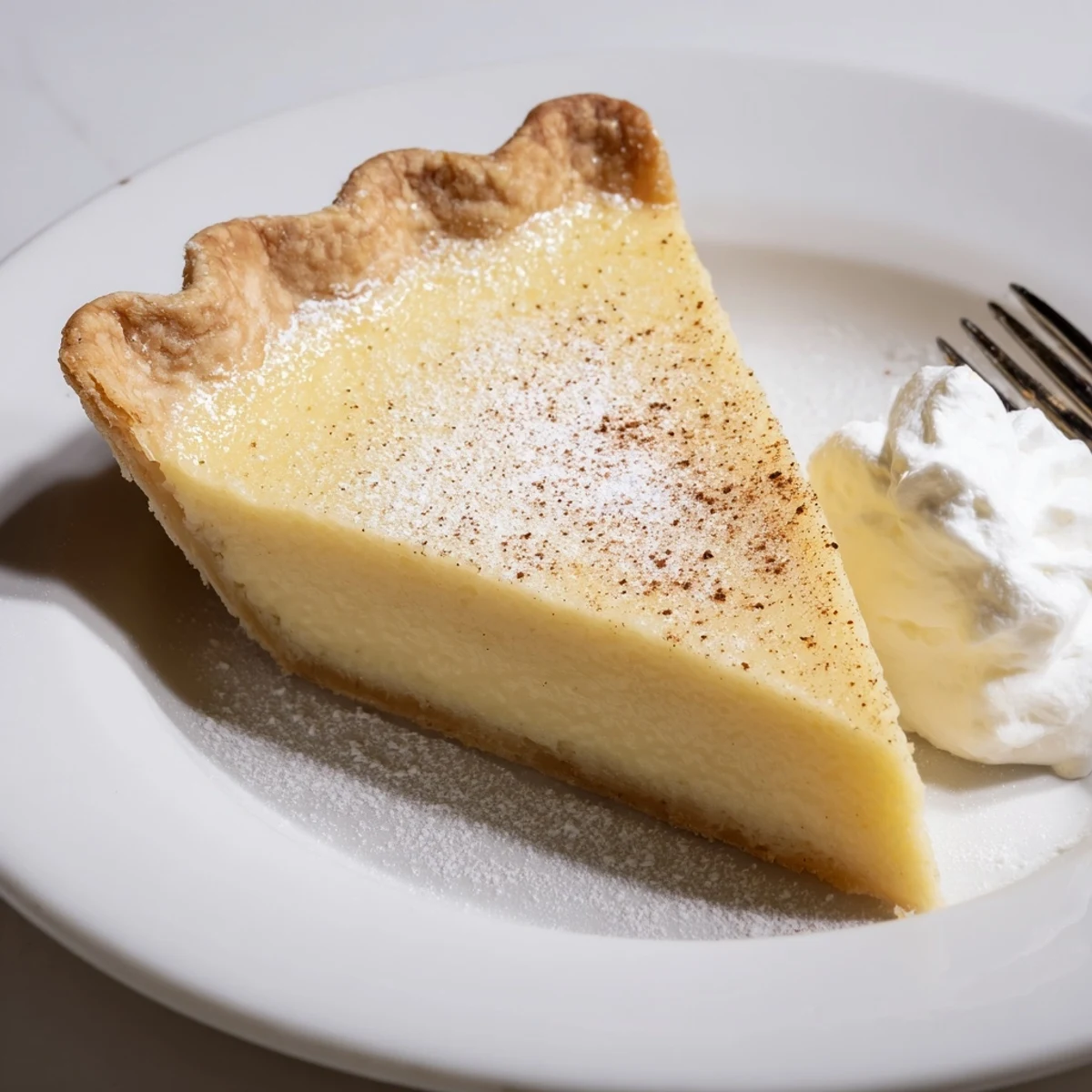
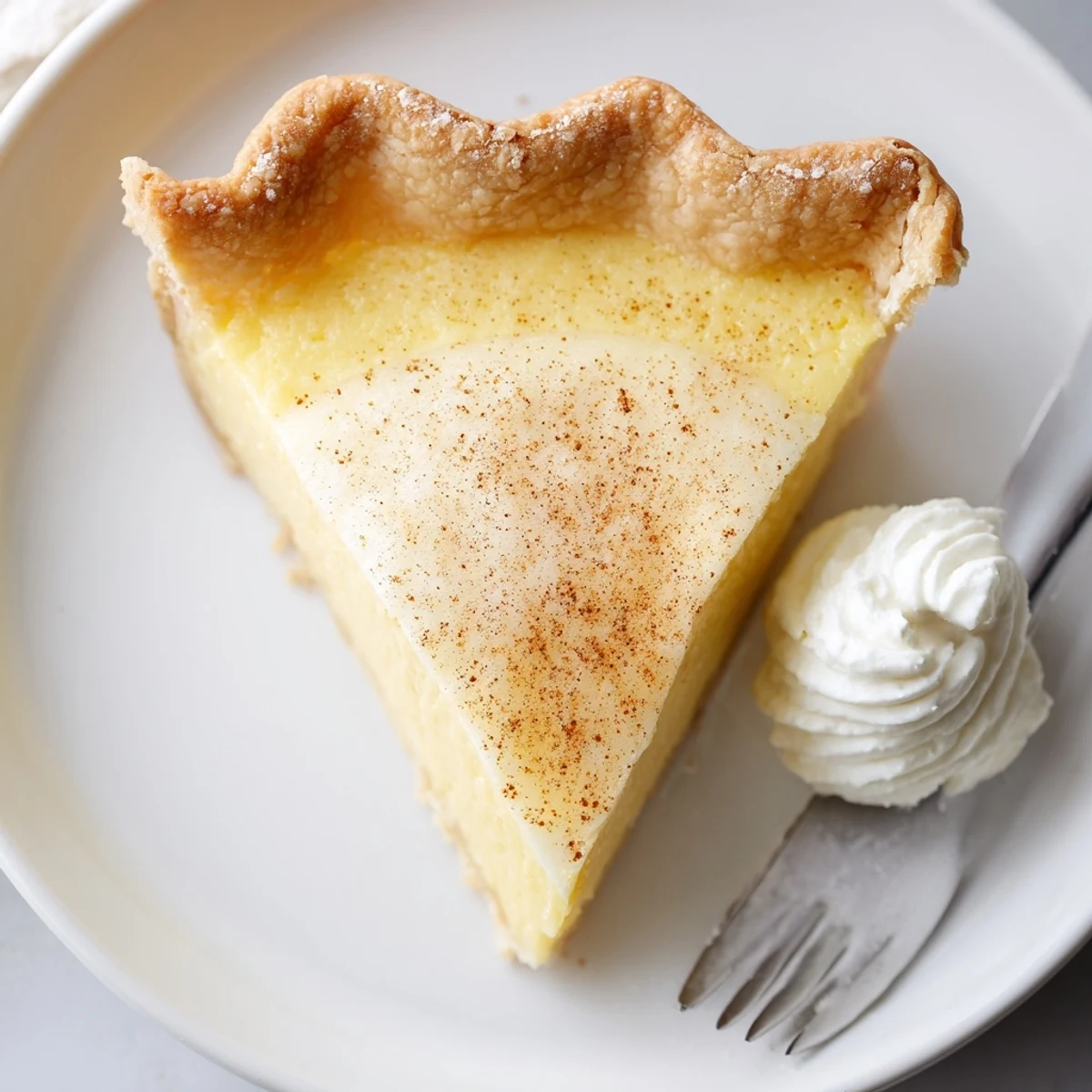
If you’re feeling festive, try topping slices with sugared cranberries or a snowy scoop of whipped cream—kids love shaking the powdered sugar on themselves. A sprinkle of cinnamon on each slice makes every bite look extra inviting. The pie is creamy enough to enjoy on its own, but the toppings always get folks asking for the recipe. Don’t forget: chilled (not warm) slices cut beautifully and look bakery-worthy.
Ways to Make This Pie Your Own
I’ve swapped in a splash of bourbon or brandy for the vanilla during boisterous adult gatherings, and the flavor deepens without overpowering the delicate custard. If you want to play with spice, try a pinch of nutmeg or cardamom. Gluten-free friends have loved this recipe with an alternative pie shell. Just remember a thick enough crust holds the filling best.
Common Questions & Last-Minute Tricks
Does the custard jiggle? Good! It will firm up as it cools, so don’t panic. If you notice cracks, cover with powdered sugar or a dollop of cream and no one will be the wiser. Here’s what helped me most:
- Whisk slowly while combining hot milk—no scrambled eggs.
- Always strain the custard before baking for smoothness.
- Chill before slicing; patience pays off.
 Pin It
 Everyone deserves an easy win in the kitchen, especially during the holidays. May your pie come out creamy, fragrant, and just perfect for sharing.
Recipe Questions
- → How do I prevent the custard from curdling?
-
Warm the milk and cream gently until steaming but not boiling, and slowly temper the eggs by whisking a small amount of warm dairy into the egg mixture before combining. Strain the mixture to remove any cooked bits and bake at moderate temperature for even setting.
- → How can I tell when the filling is done?
-
The center should still wobble slightly when gently shaken but not be liquid. It will continue to set as it cools; avoid overbaking to keep a silky texture. Typical time is 45–50 minutes at 350°F.
- → Can I prebake the crust?
-
You can blind-bake the crust briefly if you prefer a crisper base. Par-bake until lightly golden, then fill and finish baking; tent the edges if they brown too quickly during the final bake.
- → Is cornstarch necessary?
-
A small amount of cornstarch helps stabilize the custard and gives a smoother, firmer set, especially useful for slicing. Omitting it yields a looser creamier texture but may be harder to cut cleanly.
- → How should leftovers be stored?
-
Cover and refrigerate for up to three days. Slice chilled pieces with a sharp knife. Bring to slightly cool room temperature before serving if you prefer a softer mouthfeel.
- → Can I add a splash of spirits for extra flavor?
-
Yes. A tablespoon or two of bourbon or brandy folded into the custard before baking adds depth and a warm holiday note—use sparingly to avoid thinning the set.