
 Pin It
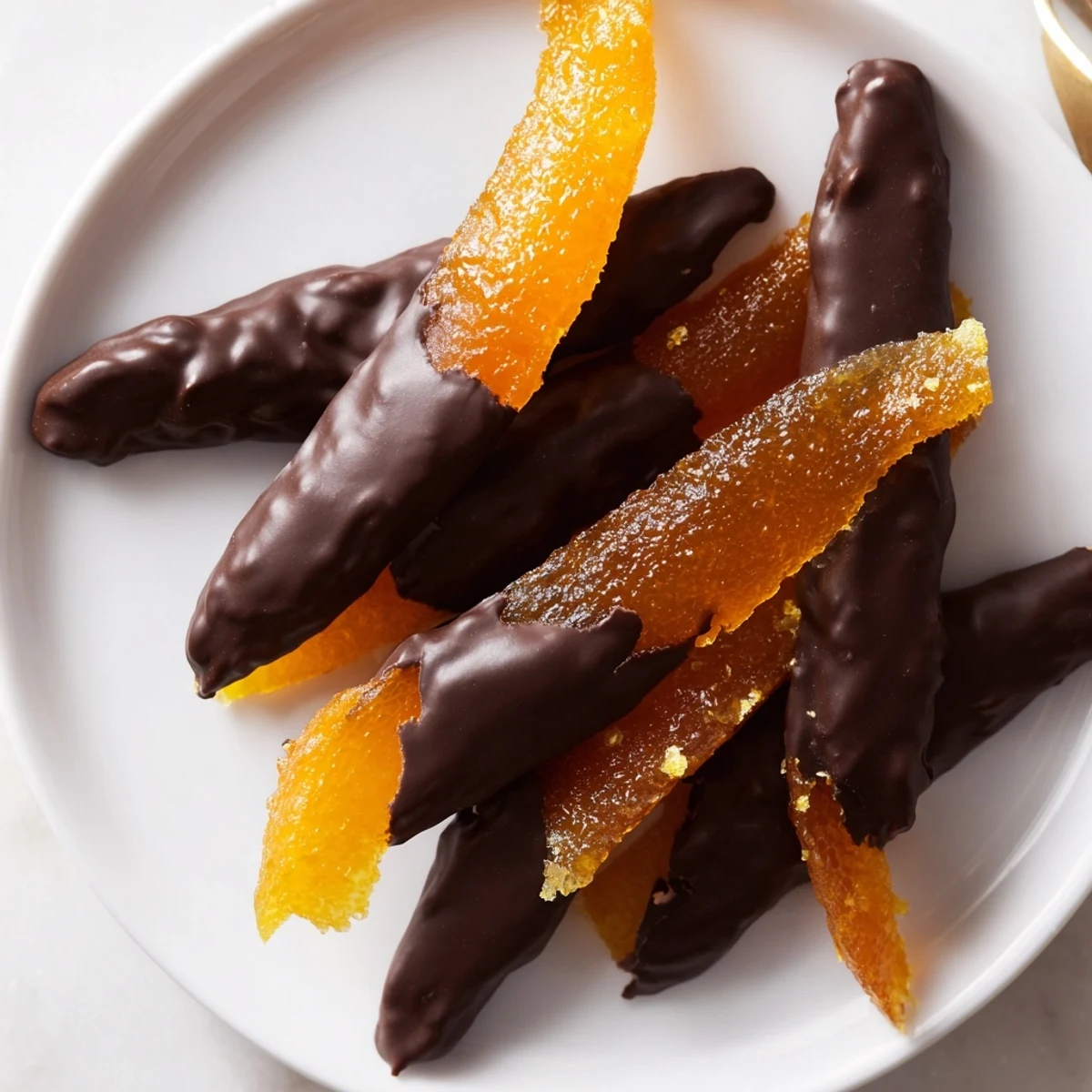
 These chocolate covered orange peels transform simple citrus into an elegant confection. Fresh orange peels are blanched to remove bitterness, then slowly simmered in sugar syrup until translucent and tender.
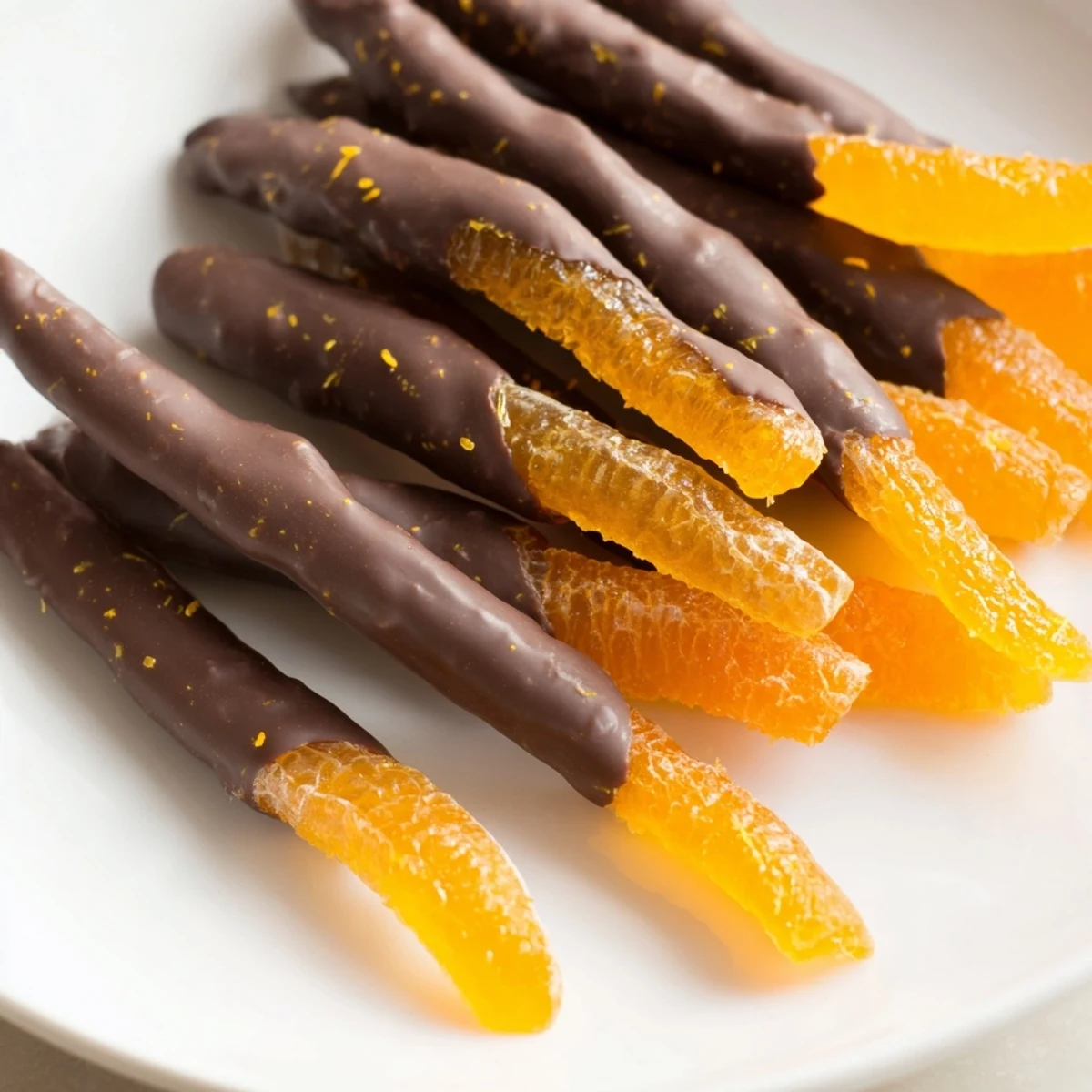
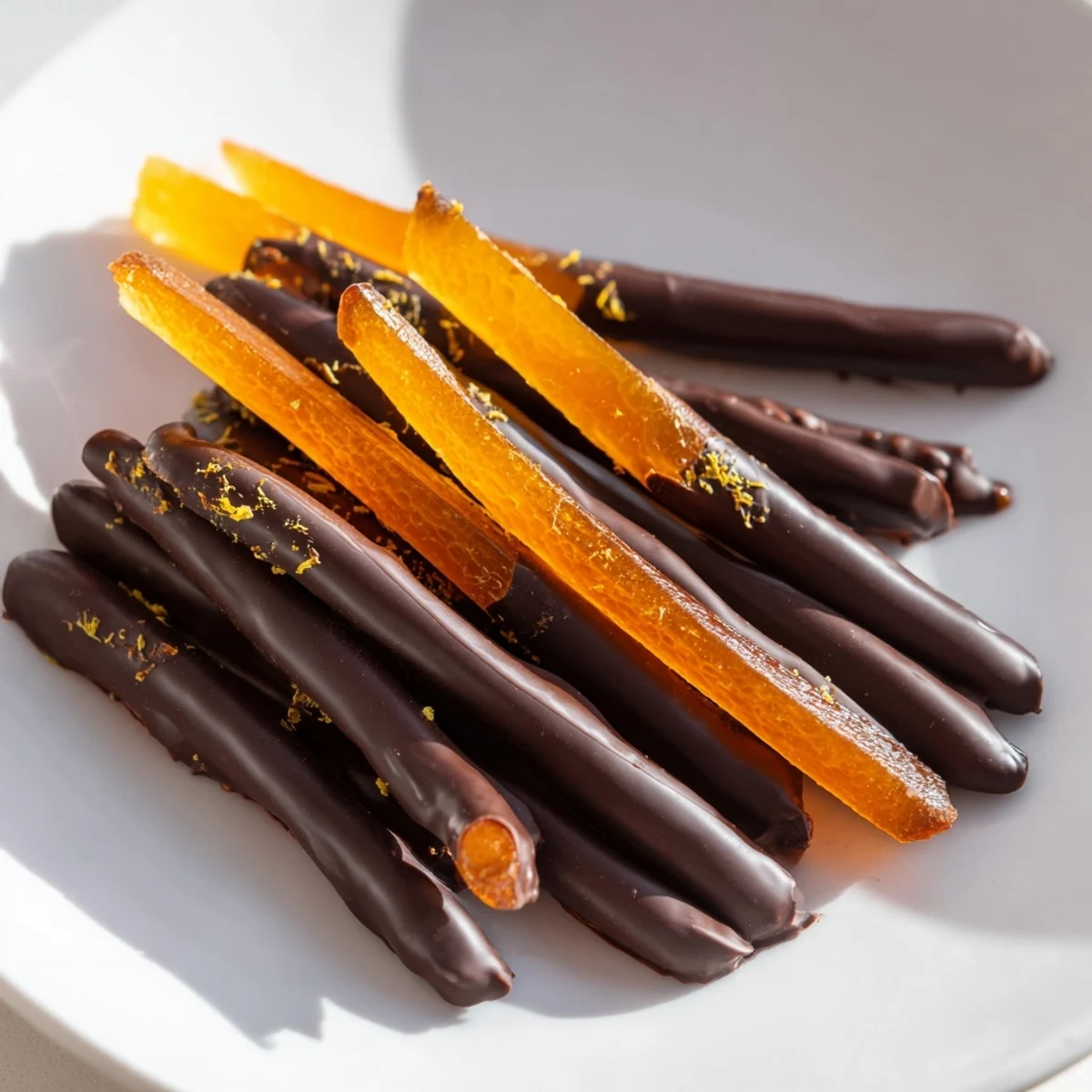
Once dried, each candied strip is dipped halfway into melted dark chocolate and left to set. The result is a beautiful balance of sweet, tangy citrus and rich, slightly bitter chocolate.
A classic European treat that requires patience but minimal skill—perfect for homemade gifts, holiday platters, or an afternoon indulgence with espresso.
There is something almost meditative about standing at the stove, watching orange peels slowly turn from bitter rinds into glowing, translucent jewels. My neighbor Clara gave me a tin of these one December, and I ate the entire batch before New Years. That January, I bought ten pounds of oranges and ruined three saucepans learning to make them myself. It was absolutely worth it.
I brought a plate of these to a dinner party last spring and watched a man who had been quiet all evening suddenly become very talkative after his second piece. He asked for the recipe, and I pretended it was a family secret, which it now sort of is.
Ingredients
- 3 large oranges, preferably organic: You need thick skinned oranges with a lot of oil in the peel. Navel oranges work beautifully, and organic matters here because you are eating the exterior.
- 2 cups (400 g) granulated sugar: This is the syrup that transforms raw bitterness into candy. Do not reduce it or the texture will suffer.
- 1 cup (240 ml) water: Combined with the sugar to create the simmering bath that does all the hard work.
- 200 g dark chocolate (60 to 70% cocoa), chopped: The slightly bitter chocolate balances the sweetness of the candied peel perfectly. Anything above 70% can be too austere.
Instructions
- Peel with intention:
- Wash the oranges thoroughly under warm water, scrubbing gently. Slice off the top and bottom of each orange so it sits flat, then score the skin into four vertical sections. Peel each section away, keeping some of the white pith attached, because a little pith gives the finished candy a pleasant chew.
- Cut into strips:
- Slice the peels into uniform strips about half a centimeter wide. Consistency matters here because evenly sized strips cook at the same rate and look more elegant when finished.
- Blanch three times:
- Drop the strips into a saucepan of cold water, bring it to a rolling boil, then drain completely. Repeat this two more times, and you will notice the kitchen smelling less sharp each time as the bitterness leaches away.
- Simmer in syrup:
- Combine sugar and water in a clean saucepan, stirring over medium heat until the sugar fully dissolves. Add the blanched peels and let them simmer uncovered for 45 to 60 minutes, stirring occasionally, until they look glassy and tender.
- Dry the peels:
- Lift the peels out with tongs and arrange them on a wire rack set over a sheet of parchment. Leave them at room temperature for at least two hours, though overnight is even better if you have the patience.
- Melt the chocolate:
- Set a heatproof bowl over a pot of barely simmering water, making sure the bottom of the bowl never touches the water. Add the chopped chocolate and stir gently until it melts into a smooth, glossy pool.
- Dip and set:
- Grab each dried peel strip and dip it halfway into the chocolate, letting the excess drip back into the bowl. Lay them on a parchment lined tray and let the chocolate set at room temperature, or pop the tray into the refrigerator if you are impatient.
 Pin It
 The afternoon I finally got these right, I arranged them in a little tin and left them on the counter for no particular occasion. My partner found them at midnight and came to bed with chocolate on his fingers, grinning like a child.
Getting the Syrup Right
Watch the sugar syrup carefully during the simmer. If the heat is too high, it will darken and take on a caramel flavor that overpowers the orange. A gentle, lazy bubble is what you want. The peels should look like they are glowing from within when they are done.
Choosing the Best Chocolate
A 60 to 65% dark chocolate is the sweet spot for coating these peels. Anything darker fights with the citrus instead of complementing it. Taste your chocolate before melting it, because if you do not enjoy eating it plain, you will not enjoy it here.
Storing and Gifting
Layer the finished peels between sheets of parchment in an airtight container and keep them in a cool, dry spot for up to two weeks. They also freeze beautifully for up to three months if you want to make a large batch ahead of the holidays.
- A small cellophane bag tied with kitchen twine makes an effortless gift.
- Slide a handwritten note inside with pairing suggestions like espresso or a glass of vin santo.
- Keep them out of direct sunlight or the chocolate will develop a cloudy bloom.
 Pin It
 There is a quiet kind of magic in turning something you would normally throw away into a delicacy people remember. Keep a tin of these in your kitchen and you will always have a reason to smile.
Recipe Questions
- → Do I need to blanch the orange peels multiple times?
-
Yes, blanching the peels three times is essential. This process removes the bitter compounds from the pith and oils from the skin, resulting in a pleasant, sweet-tangy flavor rather than an astringent one.
- → Can I use store-bought orange peels instead of fresh?
-
Fresh oranges yield the best texture and flavor. Store-bought candied peels are already processed and may not absorb the syrup properly or pair well with the chocolate coating.
- → What type of chocolate works best for dipping?
-
Dark chocolate with 60–70% cocoa content is ideal, as its slight bitterness balances the sweetness of the candied peels. You can also use milk or white chocolate for a sweeter, milder result.
- → How long do chocolate covered orange peels stay fresh?
-
Stored in an airtight container in a cool, dry place, they keep well for up to two weeks. You can also refrigerate them, but allow them to come to room temperature before serving for the best texture and flavor.
- → Why are my candied peels still sticky after drying?
-
The peels need sufficient time to dry properly—at least 2 hours, but overnight is best. If they remain sticky, they may not have simmered long enough in the syrup. Ensure they are fully translucent and tender before removing from the syrup.
- → Can I use other citrus fruits for this method?
-
Absolutely. Grapefruit, lemon, and lime peels all work well with the same candying and dipping technique. Adjust blanching times as needed—thicker peels like grapefruit may require an extra blanch.