
 Pin It
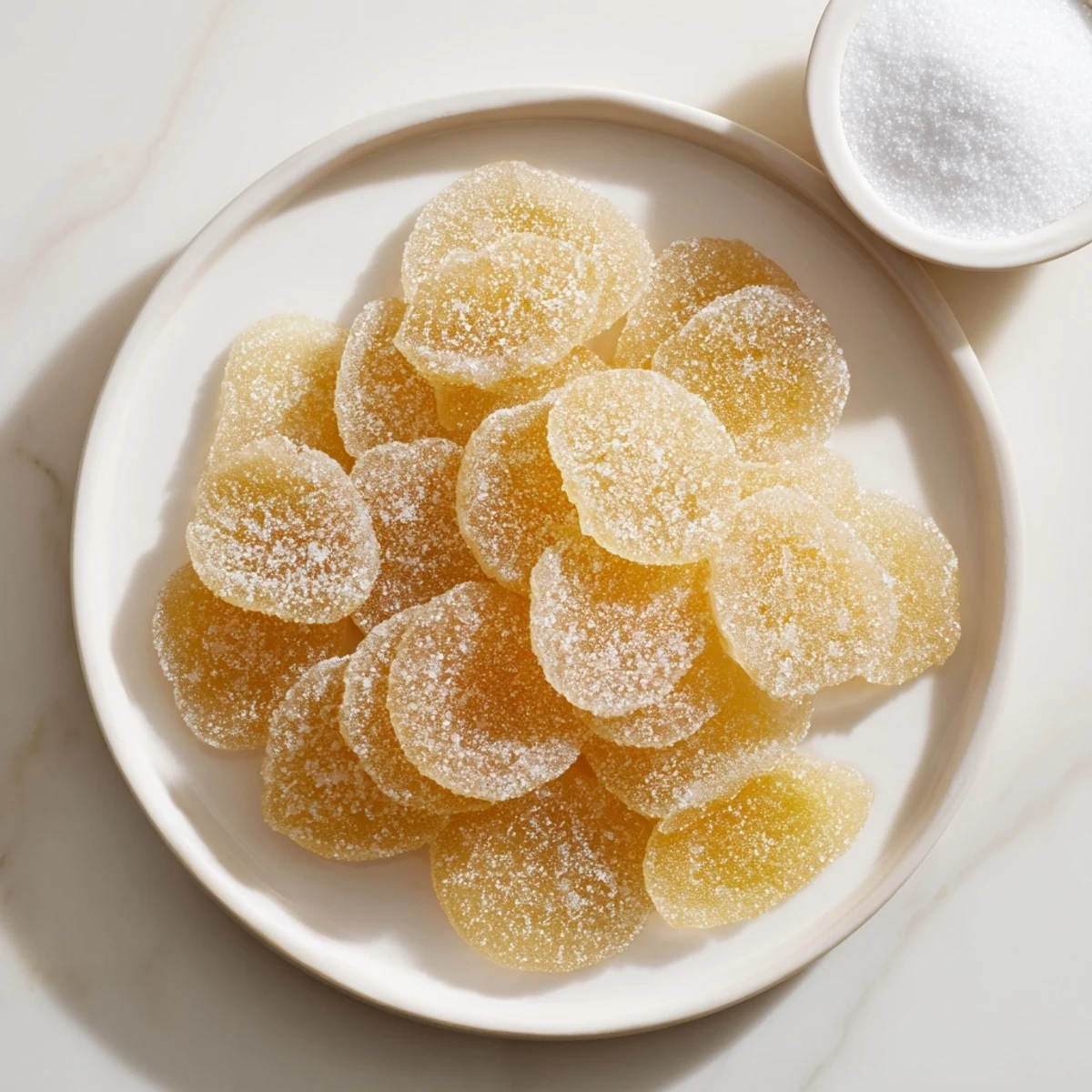
 Create your own candied ginger with this simple technique. Fresh ginger root is simmered until tender, then cooked in sugar syrup until translucent and coated in a sparkling sugar crust. The result is perfectly chewy, sweet, and spicy preserved ginger that keeps for months.
This versatile confection works beautifully in baked goods like cookies and scones, adds zing to granola, or stands alone as a warming snack. The process takes about 90 minutes but yields restaurant-quality results that surpass store-bought versions.
Last winter, I found myself nursing a stubborn cold while a storm raged outside my kitchen window. Something about fresh ginger's spicy warmth felt exactly right, so I decided to candy a batch rather than simply brew tea. The whole house filled with this incredible sweet heat that somehow made being sick feel a little more cozy.
My grandmother always kept a small jar of these gems in her pantry, offering them to us kids whenever we complained of upset stomachs or just needed a little treat. Now I understand why she treasured them, they are like edible sunshine that happens to double as natural medicine.
Ingredients
- Fresh ginger root: Choose pieces that feel firm and heavy, with smooth skin that is easy to peel
- Granulated sugar: Creates the syrup for candying and the final sparkly coating that makes these irresistible
- Water: The base for both blanching and the syrup that transforms the ginger's texture
Instructions
- Slice the ginger:
- Cut the peeled ginger into thin even rounds about 3 mm thick so they cook uniformly
- Blanch the ginger:
- Simmer the slices in water until fork tender which removes some of the harsh bite
- Candy the ginger:
- Combine the blanched ginger with reserved cooking liquid and sugar then cook until the syrup thickens and the ginger turns translucent
- Coat and dry:
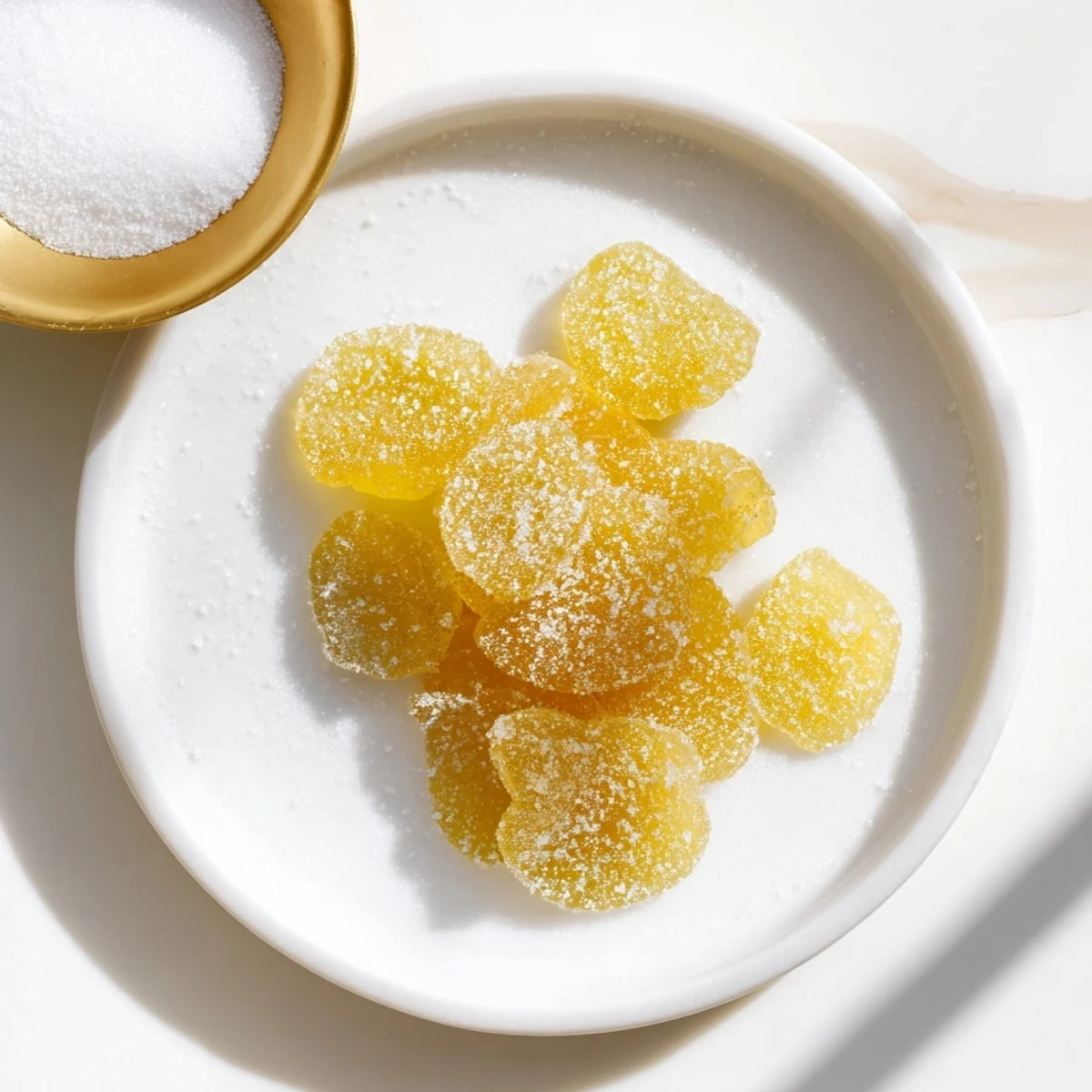
- Toss the sticky ginger pieces in sugar while still warm then let them dry completely until no longer tacky
 Pin It
 I once accidentally doubled the recipe because I was distracted by a phone call, but it turned out to be the best mistake ever. These disappear so quickly in my house that having extra meant I could actually gift some to friends who had been begging for the recipe.
Choosing Your Ginger
Young ginger with pinkish tips will be milder and more tender while mature root delivers that intense spicy punch most of us expect. I have found that slightly wrinkled ginger actually works beautifully since the blanching step softens any toughness.
Using Leftover Syrup
That thick amber syrup left in the pan is liquid gold. I drizzle it over vanilla ice cream or stir a spoonful into sparkling water for an instant homemade ginger beer that puts commercial versions to shame.
Storage and Serving Ideas
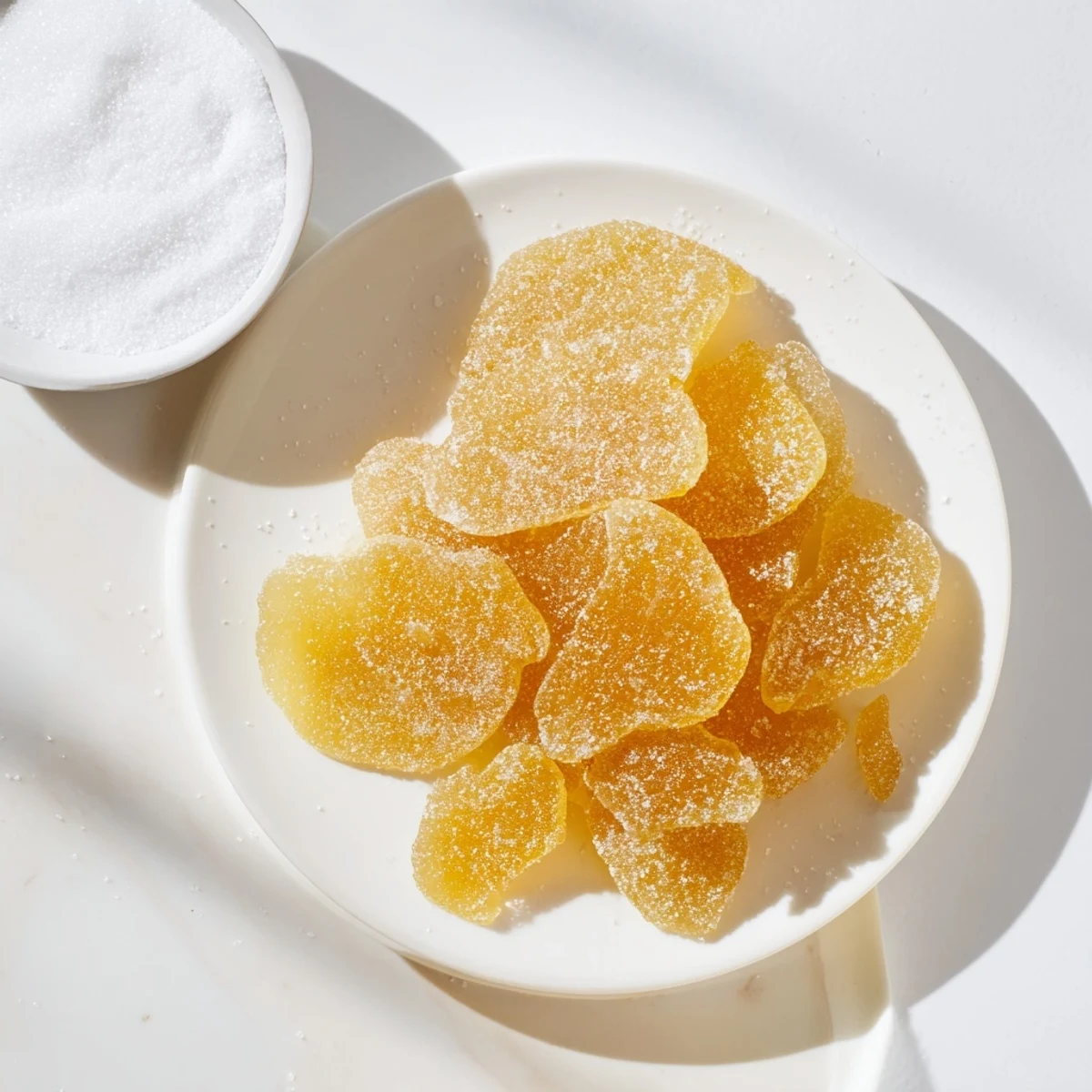
Once completely dry, these will keep for months in a sealed container though they rarely last that long in my kitchen. Chop them into tiny pieces for ginger scones or tuck a piece into an apple pie for unexpected warmth.
- Dip finished pieces in dark chocolate for an incredibly sophisticated treat
- Add a few pieces to your morning chai or afternoon tea
- Pack them in small jars tied with ribbon for thoughtful homemade gifts
 Pin It
 There is something deeply satisfying about turning a humble root into something so beautiful and delicious. Enjoy every sweet spicy bite.
Recipe Questions
- → How long does homemade candied ginger last?
-
When stored in an airtight container at room temperature, candied ginger keeps for up to 2 months. Proper drying before storage ensures the sugar coating remains crisp and prevents moisture buildup.
- → Can I reuse the ginger syrup?
-
Absolutely. The leftover syrup from candying ginger makes an excellent sweetener for tea, adds depth to cocktails, or can be drizzled over desserts. Store it in the refrigerator for up to 3 weeks.
- → What's the difference between young and mature ginger?
-
Young ginger has thinner skin, less fiber, and a milder spiciness. Mature ginger offers more intense heat and fibrous texture. For candied ginger, either works well—choose based on your preferred spice level.
- → Why do I need to boil the ginger twice?
-
The first boil removes bitterness and tenderizes the fibrous root. The second boil in sugar syrup infuses sweetness and creates the translucent, chewy texture characteristic of properly candied ginger.
- → Can I reduce the sugar in this recipe?
-
Sugar acts as both sweetener and preservative in candied ginger. Reducing sugar significantly affects shelf life and texture. For a lower-sugar alternative, try crystallized ginger or simply simmer fresh ginger in tea.