
 Pin It
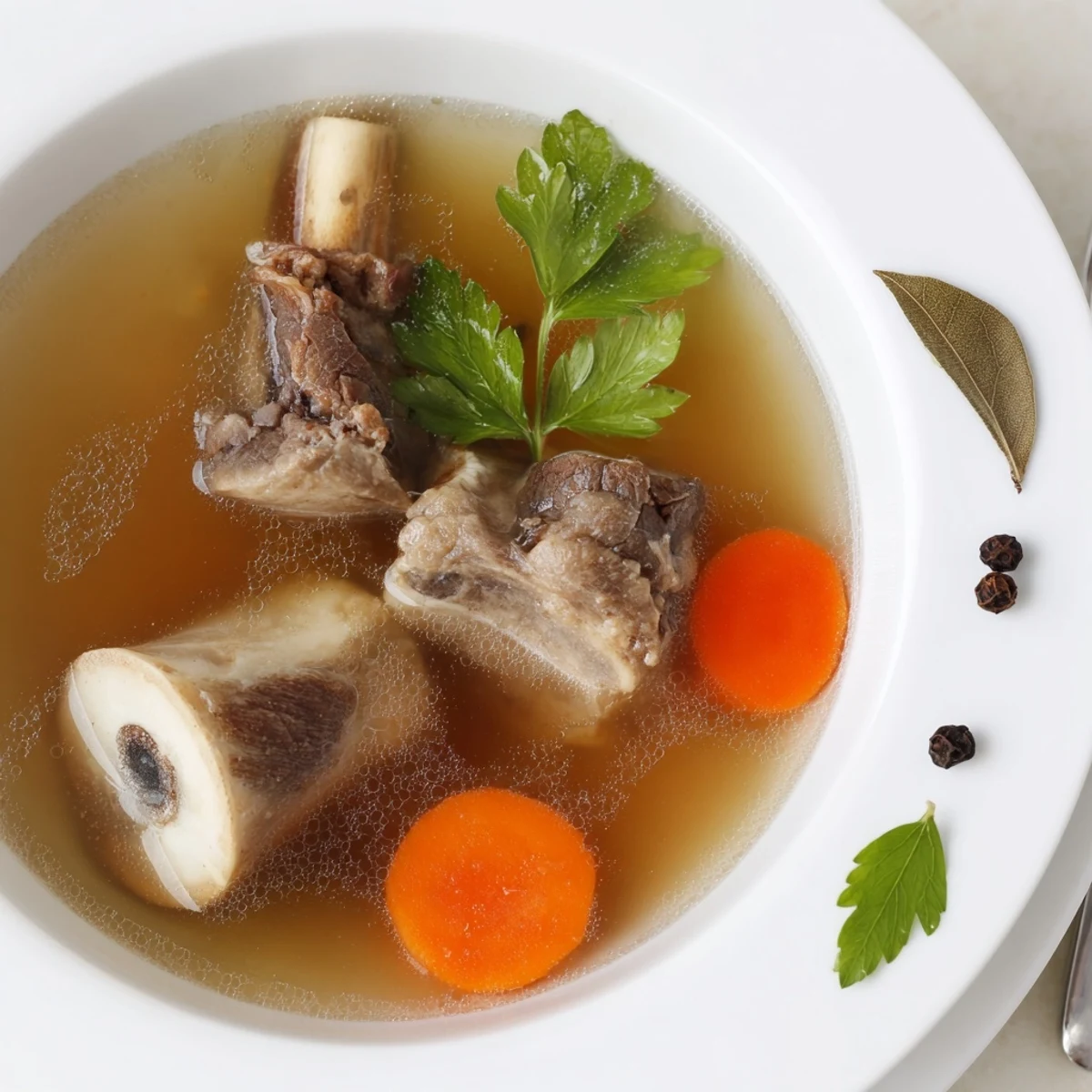
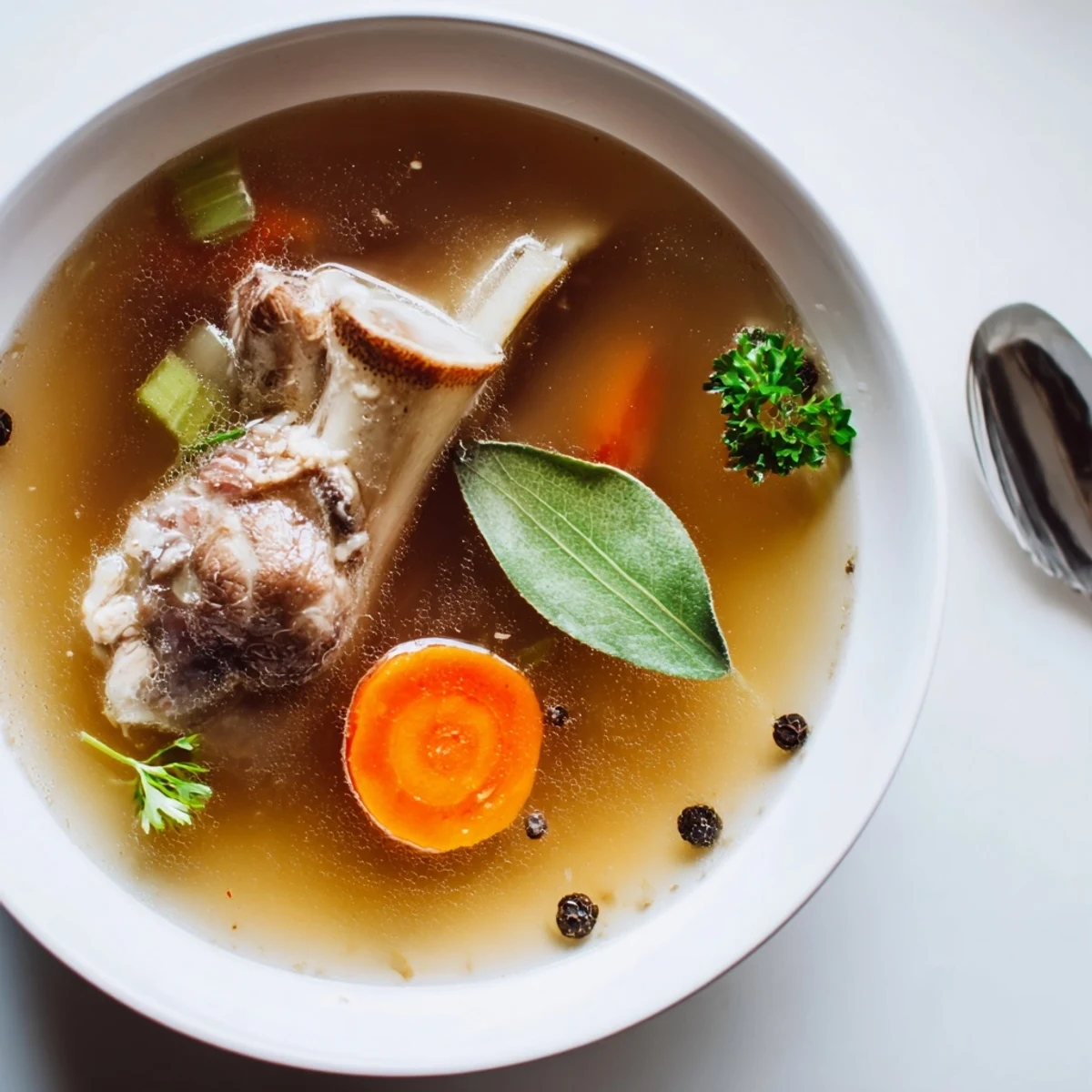
 Make a rich beef bone broth by simmering roasted or raw marrow and knuckle bones with carrots, celery, onion, garlic, bay and parsley. Add a splash of apple cider vinegar to help extract minerals, maintain a gentle simmer for at least 12 hours and skim impurities during the first hour. Strain through a fine-mesh sieve or cheesecloth, chill to remove excess fat, and store chilled or frozen. Longer simmering yields deeper color, more gelatin and a more concentrated, savory body ideal for sipping or using as a base.
The kitchen smelled like something ancient and sacred, the way my grandmothers tiny apartment used to feel on cold Sunday mornings when she tended her stockpot for hours without ever lifting the lid. Beef bone broth is one of those preparations that barely qualifies as cooking and yet somehow teaches you everything about patience and trust. You toss a handful of humble ingredients into a pot, walk away, and twelve hours later you have liquid gold that no store bought carton can touch. I started making it religiously after a particularly brutal winter left me run down and desperate for something deeply restorative.
My friend Marcus walked into my apartment one evening while the broth was midway through its slow transformation and stood frozen in the doorway, sniffing the air like a cartoon character floating toward a pie. He now texts me every Sunday asking if I have any jars to spare, and I have learned to always make extra because unexpected guests will want some.
Ingredients
- Beef bones (2.5 lbs or 1.1 kg): A mix of marrow, knuckle, and oxtail gives you the best balance of rich flavor and gelatin, and your butcher will love you for asking specifically.
- Carrots (2, roughly chopped): These add a gentle sweetness that rounds out the deeply savory notes from the bones.
- Celery stalks (2, roughly chopped): Celery brings a clean mineral quality that keeps the broth from tasting heavy or one dimensional.
- Large onion (1, quartered): Leave the skin on for a beautiful amber color, a trick I learned from a retired chef at a farmers market.
- Garlic cloves (4, smashed): Smashing rather than mincing lets the garlic gently infuse without turning bitter over the long cook.
- Bay leaves (2): These quiet little leaves do more heavy lifting than almost anything else in the pot.
- Fresh parsley (1 small bunch): Add it in the last couple of hours if you want a brighter, greener note running through the finished broth.
- Whole black peppercorns (1 tsp): Whole peppercorns give subtle warmth without clouding the broth the way ground pepper would.
- Apple cider vinegar (2 tbsp): This is the magic ingredient that helps draw minerals out of the bones and into your broth.
- Cold water (12 cups or 3 liters): Always start with cold water because it pulls flavor from the bones more effectively as it heats.
- Salt (to taste, added after cooking): Salting at the end lets you control the intensity and keeps the broth versatile for other recipes.
Instructions
- Roast the bones if you want deep flavor:
- Spread the bones on a sheet pan and roast at 400 degrees F for about 30 minutes until they are deeply browned and fragrant. This step is optional but makes an enormous difference in richness and color.
- Build the pot:
- Place the roasted or raw bones into a large stockpot or slow cooker and add the carrots, celery, onion, garlic, bay leaves, parsley, and peppercorns. Pour the apple cider vinegar over everything, then add the cold water until the bones and vegetables are well covered.
- Bring to a simmer and skim:
- Set the pot over medium heat and bring it to a gentle simmer, watching for foam and gray impurities that rise to the surface during the first hour. Skim them off with a ladle or skimmer so the broth finishes clear and clean tasting.
- Let time do the work:
- Lower the heat as much as possible and let the broth simmer uncovered or partially covered for at least 12 hours, checking occasionally to make sure the bones stay submerged and adding water if needed. The surface should barely ripple with occasional gentle bubbles.
- Strain and season:
- Pour the broth through a fine mesh sieve or cheesecloth into a large bowl or second pot, discarding the spent bones and vegetables. Taste the warm broth and add salt gradually until it sings on your tongue.
- Cool and store properly:
- Let the broth cool to room temperature, then refrigerate it so the fat solidifies into a solid cap on top that you can easily lift off. Store the broth in the fridge for up to 5 days or freeze it in portioned jars for up to 3 months.
 Pin It
 There is something profoundly satisfying about lifting a jar of homemade broth from the fridge and watching it jiggle like dessert, knowing every bit of nourishment came from your own patience and attention.
Why Roasting Changes Everything
Roasting triggers the Maillard reaction on the surfaces of the bones, creating hundreds of new flavor compounds that simply cannot develop during a wet cooking process. The resulting broth has a depth and complexity that rivals restaurant quality demi glace.
Choosing the Right Bones
Knuckle bones and joints are packed with collagen that transforms into silky gelatin during the long simmer, while marrow bones contribute richness and body. Oxtail adds a wonderful meaty sweetness, and mixing all three gives you the most complete flavor profile.
How to Use Your Broth
Once you have a stash of this broth in your freezer, you will find yourself reaching for it constantly and wondering how you ever cooked without it. It elevates everything it touches.
- Sip it warm from a mug with a squeeze of lemon on cold mornings for an instant comfort boost.
- Use it as the liquid base for any soup, stew, or braise to immediately deepen the flavor of the entire dish.
- Freeze it in ice cube trays so you always have small portions ready for deglazing pans or thinning sauces.
 Pin It
 Keep a pot going through the colder months and you will understand why cultures around the world have treasured bone broth for centuries. It is simple sustenance that nourishes far beyond the physical.
Recipe Questions
- → What bones give the best flavor and body?
-
Marrow, knuckle and oxtail bones offer rich flavor and high collagen for a gelatinous finish. Including a mix of marrow and joint bones balances taste and body.
- → Should I roast the bones first?
-
Roasting at 400°F (200°C) for about 30 minutes caramelizes bones and improves color and depth. It is optional but recommended for a richer, deeper broth.
- → How long should the bones simmer?
-
Simmer gently for at least 12 hours; 18–24 hours yields more gelatin and concentration. Keep the heat low and occasionally top up with water to keep bones covered.
- → Why add apple cider vinegar?
-
A splash of acid helps draw minerals and collagen from the bones during the long simmer, improving mouthfeel and nutritional density without affecting flavor when used sparingly.
- → How do I remove fat and store the finished liquid?
-
Cool the broth in the fridge so fat solidifies on top, then skim it off. Store chilled for up to 5 days or freeze for up to 3 months in airtight containers.
- → How can I use the finished broth?
-
Enjoy it warm as a restorative sip or use it as a base for soups, stews, risottos and sauces. Reduce further for concentrated stock or freeze in portions for later use.