
 Pin It
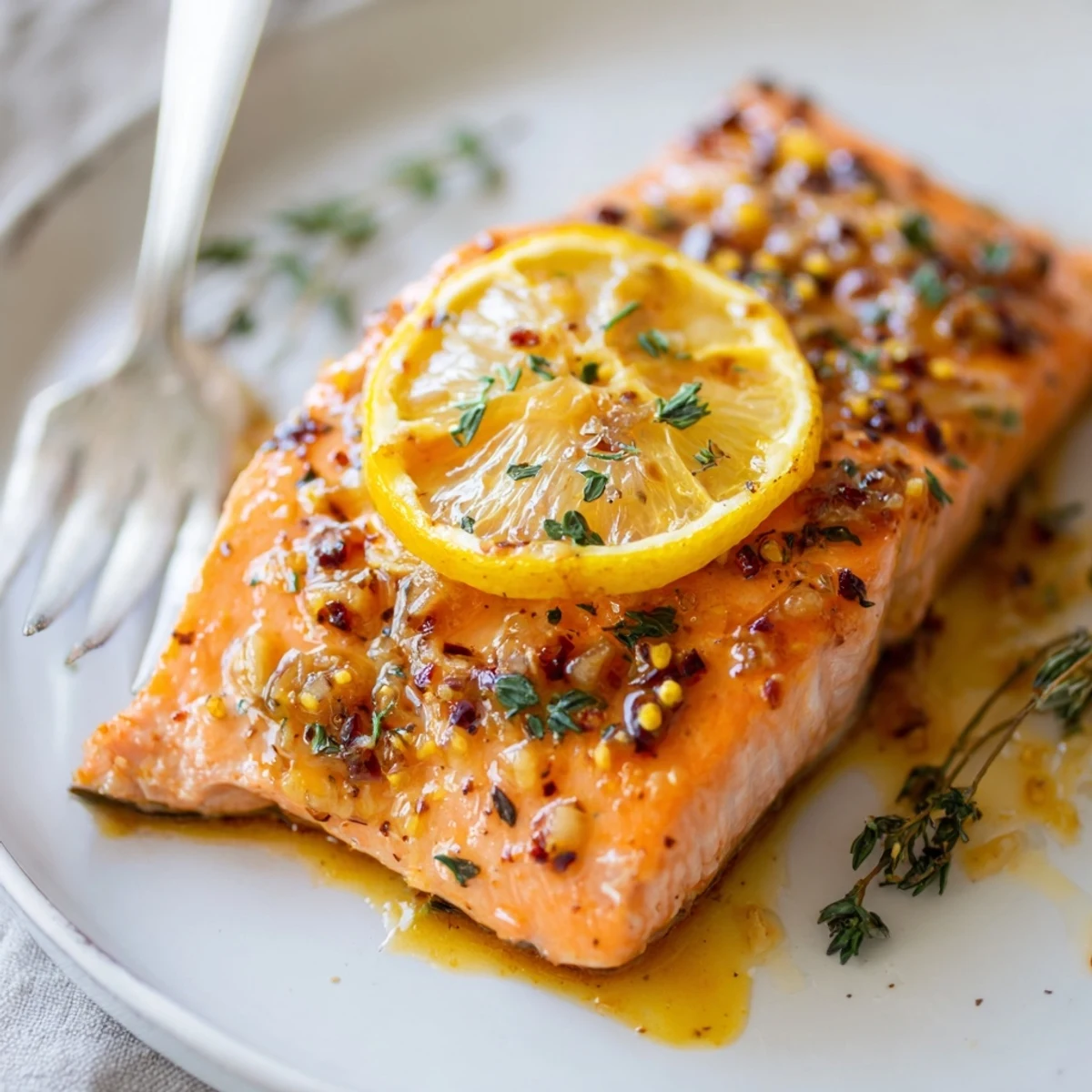
 Coat four salmon fillets in a lemon–Dijon glaze of olive oil, fresh lemon juice and zest, minced garlic, thyme and a touch of honey. Bake at 200°C (400°F) for 15–18 minutes until flaky and cooked through (63°C/145°F). Marinate up to 30 minutes for extra flavor. Finish with lemon rounds and parsley; serve with steamed vegetables, rice or a light salad.
Even though salmon isn’t an everyday fish in my house, the zingy smell of lemon and garlic always tempts me to fire up the oven when I spot a few good fillets at the market. There’s a particular crispness in the air on weeknights that calls for something unfussy but still celebratory, and this lemon Dijon salmon has often answered that call. I still remember the quiet sizzle as the glaze begins to caramelize, enveloping the kitchen in citrus and garlic warmth. It’s the kind of dish that makes me look forward to leftovers, if there ever are any.
One evening, with friends chatting in the living room and music playing low, I threw this together almost as an afterthought—half-distracted, still managing to forget to set a timer. But somehow, the edges crisped just right, and everyone paused mid-conversation after the first bite, looking surprised and a little impressed that something so simple could taste so polished.
Ingredients
- Salmon fillets: Freshness matters most, and patting the surface dry ensures the marinade really sticks.
- Dijon mustard: Adds a sharp bite and creamy body to the glaze; try a grainy version for texture.
- Olive oil: Brings everything together and helps lock in moisture while baking.
- Lemon juice & zest: Both brighten the whole dish; zest gives fragrant oiliness, while juice adds zing.
- Garlic: Minced finely so its sharpness mellows and infuses the sauce as it bakes.
- Honey (optional): A subtle sweetness makes the mustard pop, but skip or swap it for a sugar-free meal.
- Thyme: Fresh is wonderfully herby, but dried works if that’s what’s on hand.
- Salt & pepper: Don’t skimp—it’s what wakes up all the other flavors.
- Lemon slices: Roasting them on top infuses an extra gentle sharpness that looks great, too.
- Fresh parsley: Only if you like a pop of green at the end, but it’s worth the extra few seconds to chop.
Instructions
- Get your oven ready:
- Crank the oven to 200°C (400°F) and line a baking sheet with parchment or a smear of olive oil to stop sticking.
- Mix up the glaze:
- Whisk Dijon, olive oil, lemon juice and zest, garlic, honey, thyme, plus salt and pepper in a bowl until creamy and fragrant—you’ll catch a whiff of lemon and garlic right away.
- Prepare the salmon:
- Set your fillets skin side down on the sheet, patting them dry (this makes the top brown better).
- Glaze and top:
- Brush the lemon Dijon glaze everywhere—get the sides—then crown each fillet with a lemon slice.
- Bake it:
- Slide into the oven and let the salmon bake for 15–18 minutes, until it flakes with a fork and the center just blushes opaque.
- Finish and serve:
- Sprinkle with fresh parsley, if you’re feeling fancy, and rush everything to the table while it’s hot.
 Pin It
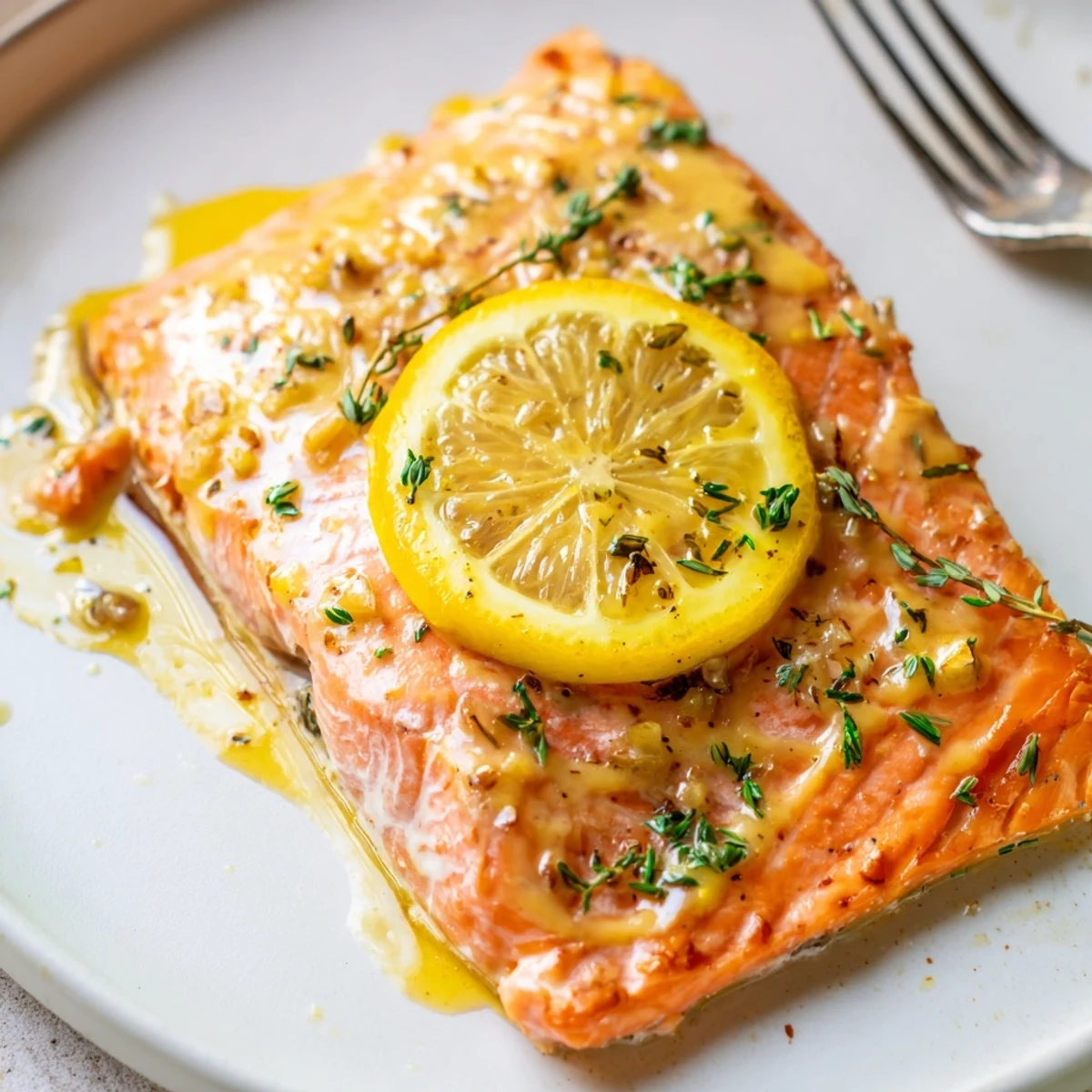
 A few months ago, this salmon showed up at a birthday dinner, squeezed onto a table crowded with mismatched plates and laughing friends. Someone ended up eating the extra glaze with bread, insisting it was too good to waste, and just like that, an ordinary night felt like a celebration.
Swapping Ingredients Without Fuss
I’ve replaced thyme with dill, sometimes basil, or even a pinch of chilli flakes—each time brings out something different in the salmon. Honey’s been swapped for maple syrup or simply left out without anyone missing it. The glaze is forgiving, and you can play around based on what’s in the fridge.
Simple Ways to Serve It Up
While this salmon shines solo, I love setting it down next to a mound of garlicky greens or a bowl of herbed rice for a really comforting dinner. On hot days, I flake leftovers onto a crisp salad for lunch, and on cooler evenings it pairs beautifully with roasted potatoes and a glass of something light and cold. Just don’t forget a wedge of lemon for that final zing.
What To Watch Out For In The Bake
The difference between perfect salmon and dry disappointment is just a couple minutes in the oven. If the fillets are thin, shave a minute or two off; if thick, peek at the center with a fork. Keep an eye out for white albumin (the little white spots)—if you see too much, your oven might be up too high.
- Taste the glaze before brushing, and adjust salt or honey to your liking.
- Don’t crowd the baking sheet—it helps everything cook evenly.
- Let the salmon rest a moment after baking for the juiciest result.
 Pin It
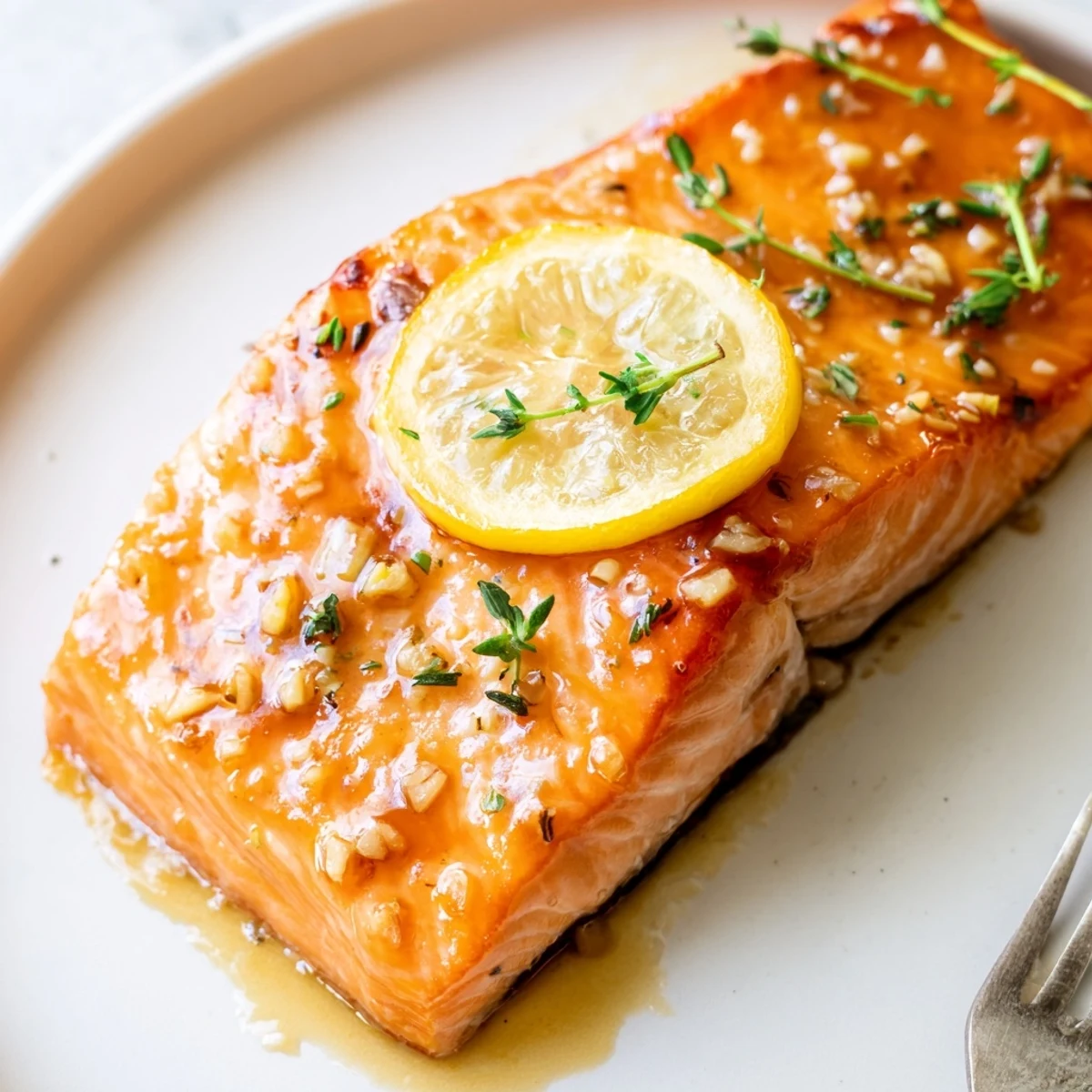
 This dish always surprises with its bright, balanced flavor and simplicity. If you make extra, you’ll be glad—cold salmon the next day is a treat in itself.
Recipe Questions
- → How long should I bake the salmon?
-
Bake at 200°C (400°F) for 15–18 minutes, or until the flesh flakes easily and reaches 63°C (145°F). Thicker cuts may need a few extra minutes.
- → Can I marinate the fillets in the glaze?
-
Yes. Marinate up to 30 minutes to deepen flavor. Avoid much longer as the lemon can start to cure the fish and alter texture.
- → How do I prevent the salmon from sticking?
-
Pat fillets dry, line the baking sheet with parchment or oil it lightly, and place fillets skin-side down. The glaze helps form a barrier during baking.
- → What can I use instead of honey?
-
Maple syrup or agave work as direct swaps; omit the sweetener entirely for a sugar-free finish if preferred.
- → What sides and wine pair well?
-
Serve with steamed greens, rice or a simple salad. A chilled Chardonnay or Sauvignon Blanc pairs nicely with the lemon and mustard notes.
- → Can I use frozen salmon?
-
Thaw fully and pat dry before glazing. Cooking from partially frozen will increase bake time and may yield uneven doneness.