
 Pin It
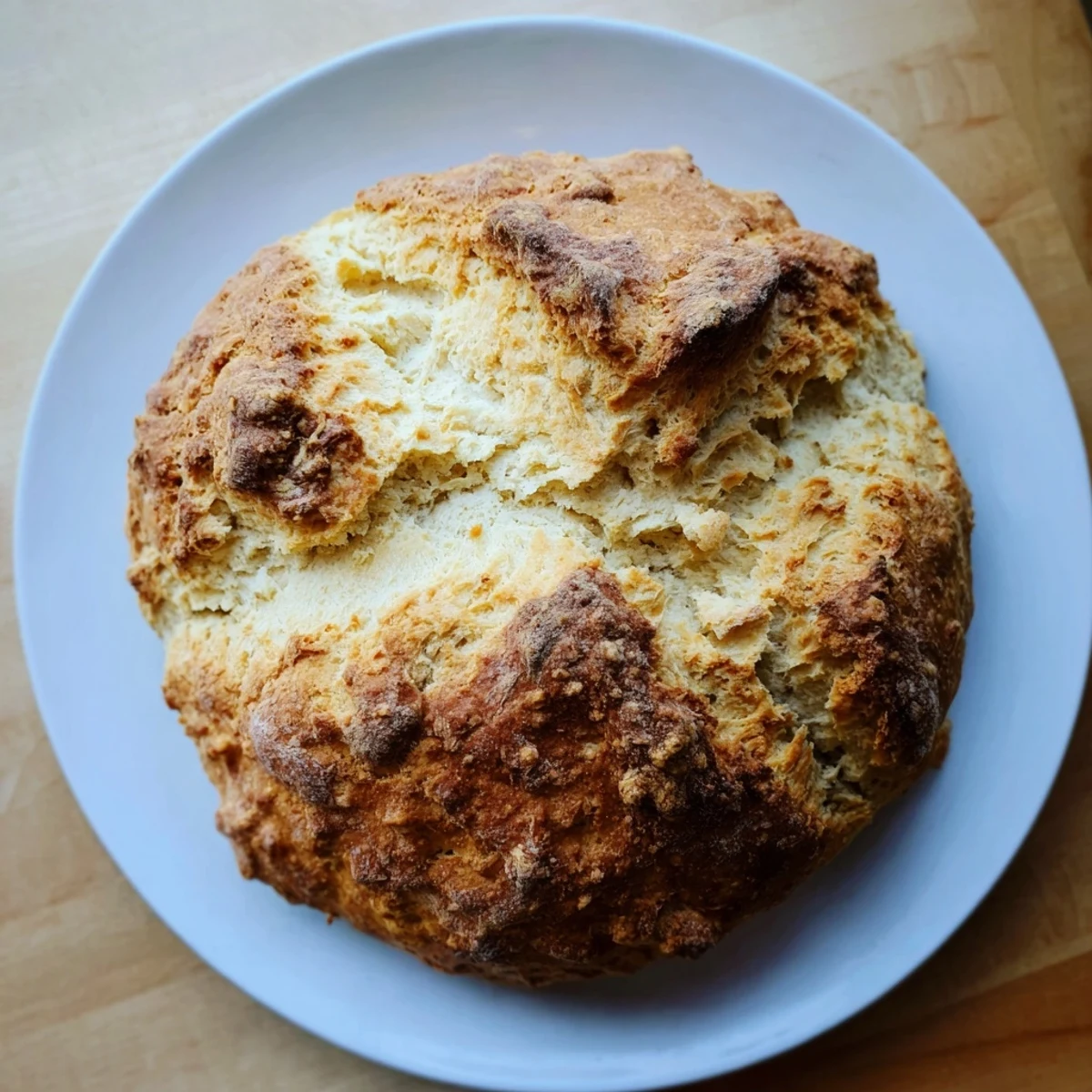
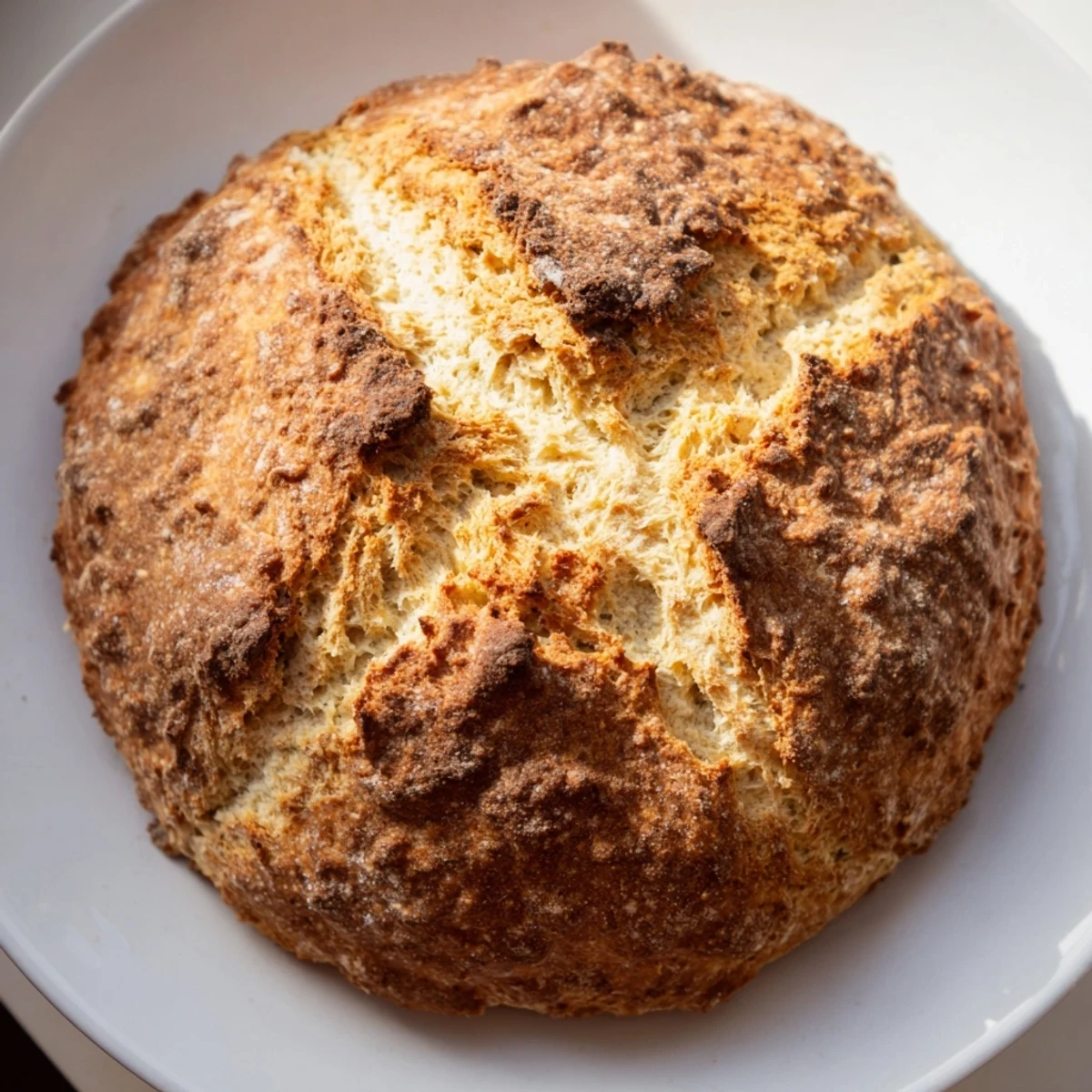
 This traditional Irish soda bread combines four simple ingredients—flour, baking soda, salt, and buttermilk—to create a rustic loaf with a golden crust and soft crumb. Preparation is quick and easy, making it ideal for breakfast or as a side for stews. The dough requires gentle kneading and a classic cross cut before baking at a high temperature. Cooling before slicing ensures perfect texture. Variations include whole wheat flour substitutions for richer flavor.
Rainy Sunday afternoons were made for bread like this. I stumbled across soda bread during a particularly gray March when yeast felt like too much commitment and comfort was non-negotiable. The first time I pulled that golden loaf from the oven, the kitchen filled with that distinctive wholesome aroma that somehow makes everything feel right in the world.
My housemate Sarah caught me cutting into the first loaf while it was still too hot to handle, steam curling up into the kitchen lights. She laughed and grabbed a knife, and we ended up eating half the loaf standing at the counter, slathering on salted butter while the bread was still warm enough to melt it into every nook and cranny.
Ingredients
- 4 cups (500 g) all-purpose flour: The foundation of everything—buy fresh flour for the best rise and that satisfyingly soft interior
- 1 teaspoon baking soda: This is your magic leavening agent, so check the expiration date before you start
- 1 teaspoon fine sea salt: Fine salt disperses evenly throughout the dough, avoiding those salty surprises
- 1 3/4 cups (420 ml) buttermilk: The acidity activates the baking soda and creates that signature tender crumb
Instructions
- Preheat your fortress:
- Crank that oven to 425°F (220°C) and line your baking sheet with parchment paper or give it a light dusting of flour
- Whisk the dry family together:
- In a large bowl, combine the flour, baking soda, and salt until theyre one harmonious mixture
- Make the well:
- Create a deep hollow in the center of your flour mixture and pour in all that tangy buttermilk
- Gentle gathering:
- Stir with a wooden spoon just until a shaggy dough forms—this is not the moment for enthusiasm
- Light touch:
- Turn onto a floured surface and knead briefly only until it comes together, maybe four or five turns max
- Shape your masterpiece:
- Form into a round, slightly flattened loaf about 2 inches thick and place on your prepared baking sheet
- The signature X:
- Use your sharpest knife to cut a deep cross across the top—this helps the bread bake through evenly
- The transformation:
- Bake for 30 to 35 minutes until golden and hollow-sounding when you tap the bottom
- Patience pays:
- Let cool on a wire rack for at least 30 minutes because cutting too warm will ruin the texture
 Pin It
 Last St. Patricks Day, I made three loaves back to back because neighbors kept dropping by. We sat around the kitchen table well past midnight, tearing off chunks of bread and arguing about whether butter belonged on top or whether you should tear pieces and dip them into little butter puddles on your plate.
Flour Adventures
Swapping in whole wheat flour adds such character and depth. I usually go half and half because all whole wheat can make the bread a bit dense. The nuttiness pairs beautifully with soups and stews on those nights when you want something substantial.
Buttermilk Wisdom
Fresh buttermilk is ideal, but I have definitely made the emergency version countless times. Regular milk plus a tablespoon of lemon juice, let it sit for five minutes, and you have buttermilk. The bread rises just the same and nobody has ever noticed the difference at my table.
Serving Suggestions
This bread was born to be eaten warm, slathered with salted butter that melts into all those little peaks and valleys. At breakfast, try it with honey or your favorite jam alongside a cup of strong tea. For dinner, nothing beats it alongside a hearty stew or used to soak up the last bits of soup from your bowl.
- Wrap any leftovers tightly and they will stay fresh for two days
- Day-old soda bread makes exceptional toast, bringing back some of that fresh-baked texture
- Freeze slices separately if you cannot finish the loaf within a couple days
 Pin It
 There is something profoundly satisfying about transforming four humble ingredients into bread that feeds both body and soul. Simple does not mean less important, and this loaf proves it every single time.
Recipe Questions
- → What gives Irish soda bread its rise?
-
The baking soda reacts with the acidity in buttermilk to create carbon dioxide, which helps the bread rise without yeast.
- → Can I substitute buttermilk in this bread?
-
Yes, you can mix milk with lemon juice or vinegar and let it sit for 5 minutes to mimic buttermilk’s acidity.
- → Why is there a cross cut on top of the loaf?
-
The deep cross allows steam to escape during baking and helps the bread expand evenly.
- → How should I knead the dough?
-
Knead gently just until the dough comes together; over-kneading can make the bread dense.
- → What is the texture of this bread once baked?
-
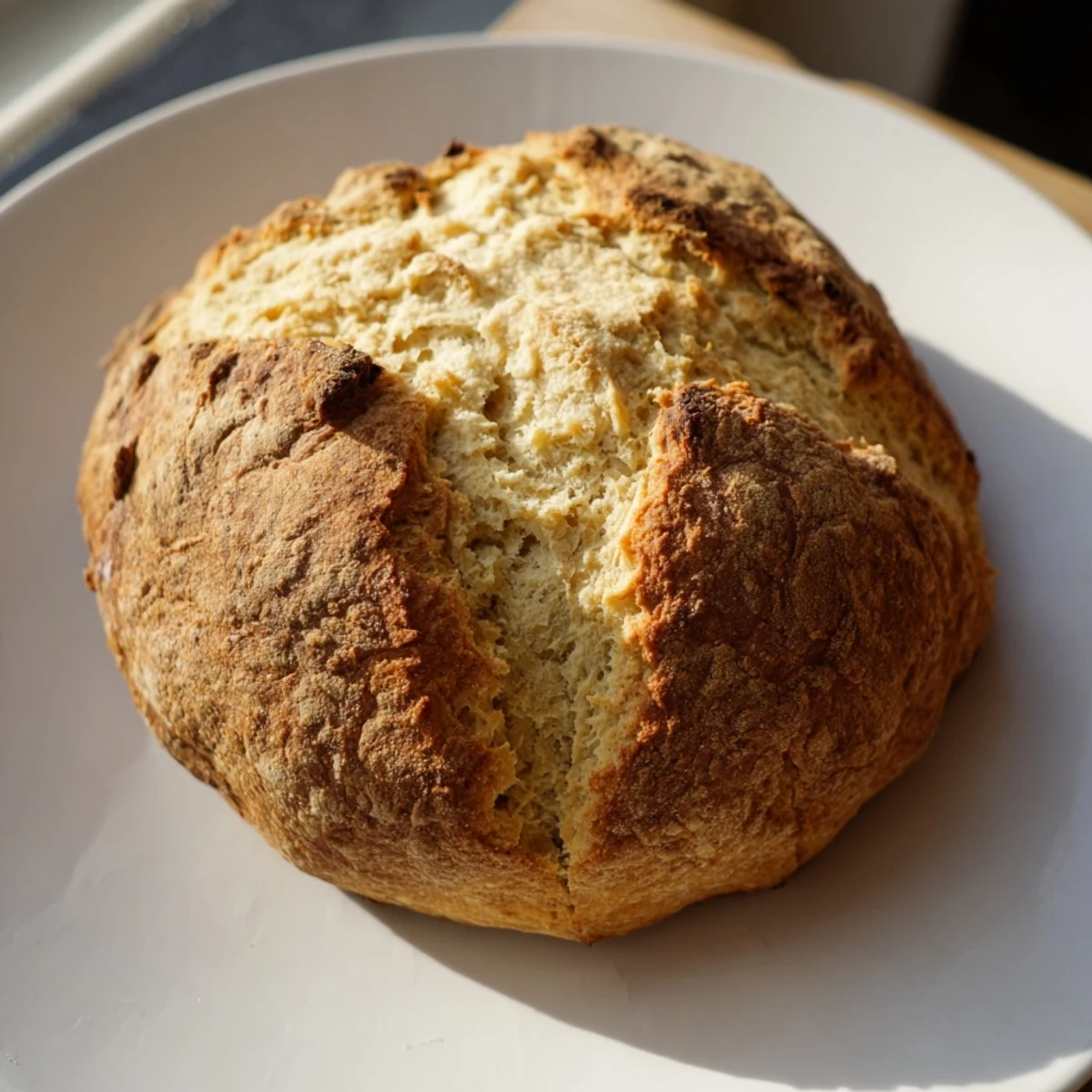
The bread has a crisp golden crust with a tender, slightly crumbly interior, perfect for slicing or serving warm.
- → Can whole wheat flour be used in this loaf?
-
Yes, replacing half the all-purpose flour with whole wheat flour adds a richer flavor and denser texture.