
 Pin It
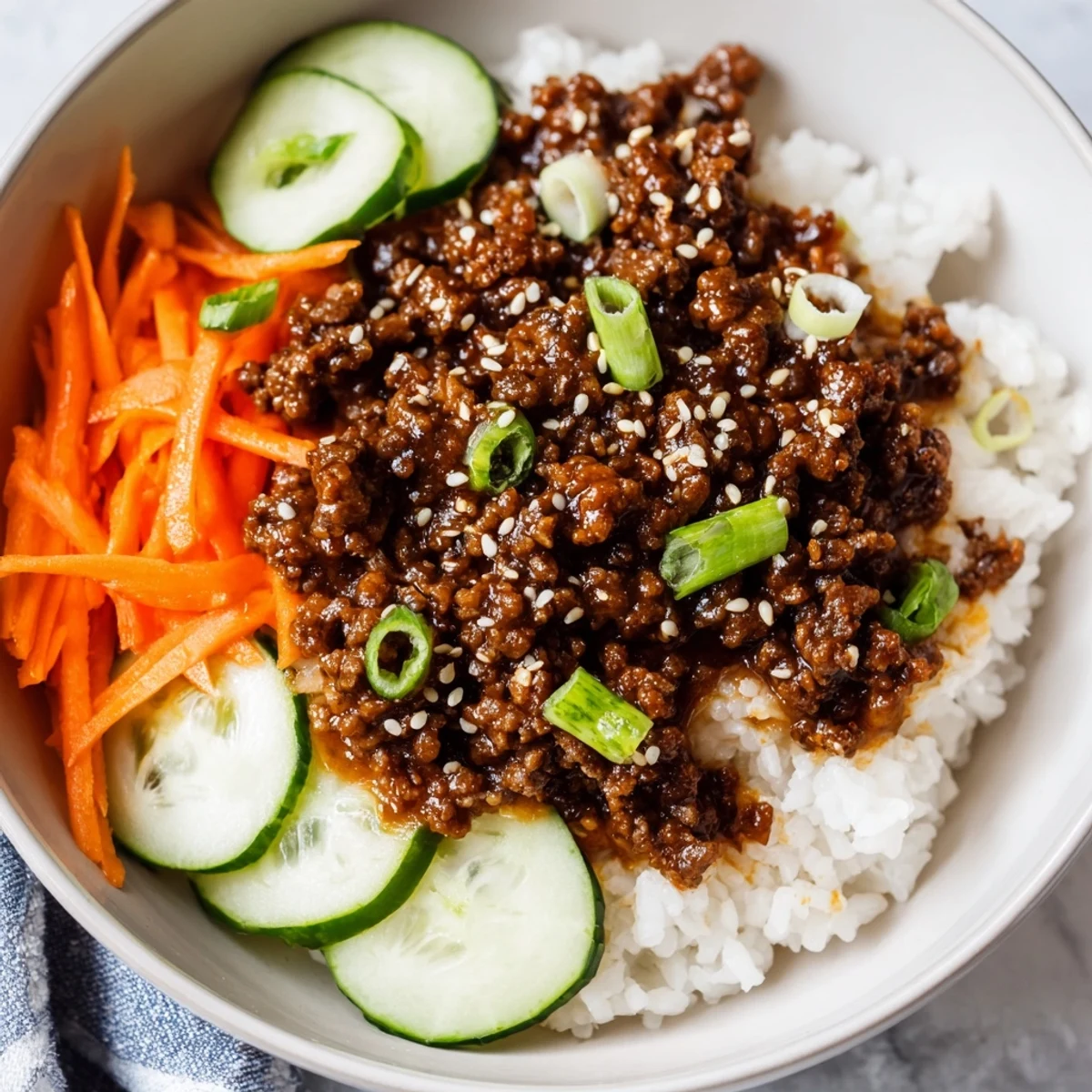
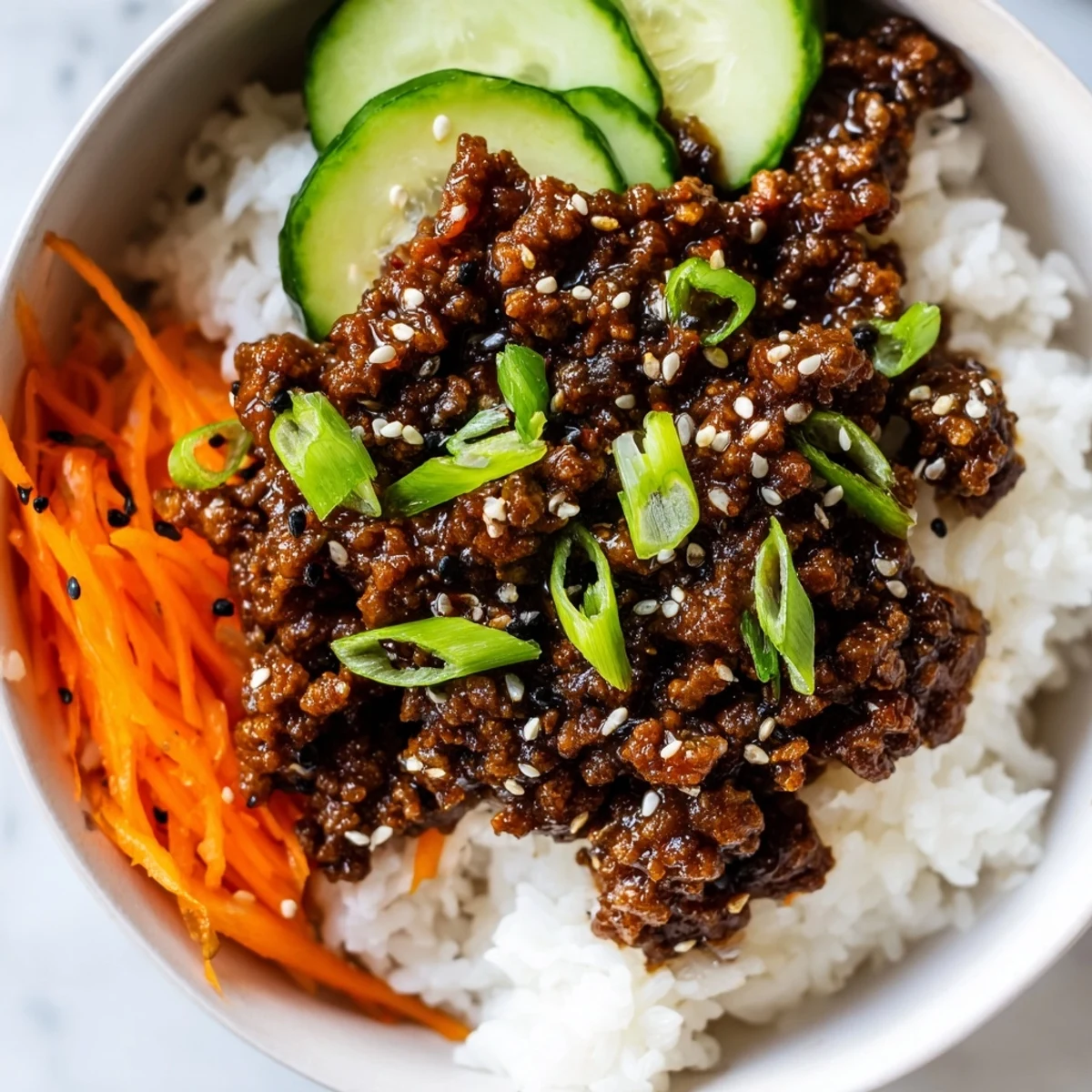
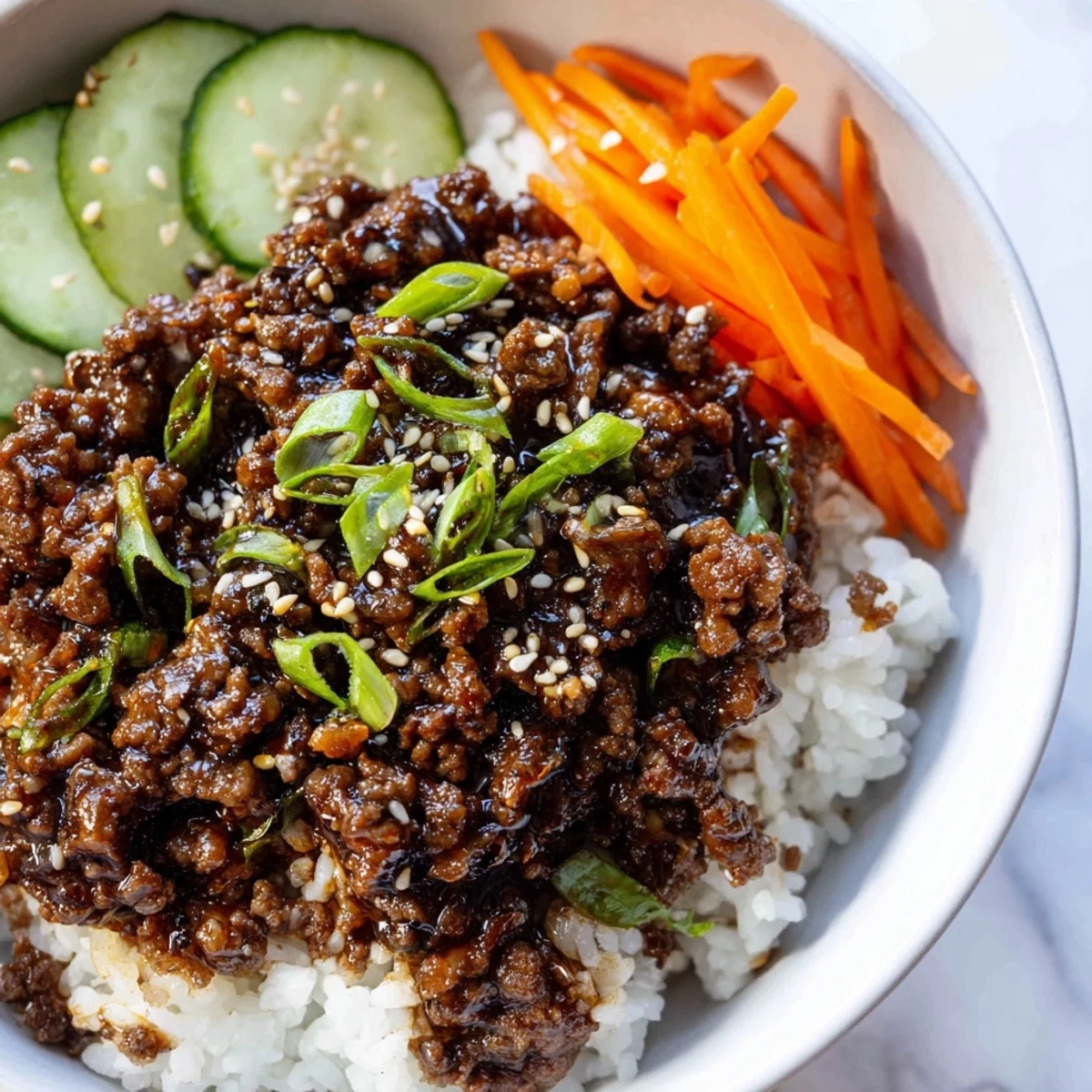
 These satisfying bowls feature lean ground beef cooked in a savory-sweet sauce with soy, sesame, garlic, ginger, and gochujang for authentic Korean-inspired flavor. The beef is served over fluffy steamed rice and topped with crisp julienned carrots, refreshing cucumber slices, scallions, and toasted sesame seeds for added texture and freshness.
Ready in just 25 minutes, this dish comes together quickly for effortless weeknight meals. The sauce perfectly balances salty, sweet, and subtle heat that coats every bite of beef. Customizable with your favorite toppings like kimchi or cilantro, these bowls offer endless variations while remaining consistently delicious.
The first time I made Korean beef bowls, my kitchen smelled like garlic and caramelized sugar in the best way possible. My roommate poked her head in and asked what restaurant I'd ordered from. When I told her it was just ground beef and a few pantry staples, she looked at me like I'd revealed a magic trick. Now this is the dinner I make when I want something that tastes like takeout but comes together faster than delivery would arrive.
Last Tuesday I was starving after a chaotic day and threw this together. My partner walked in mid-chew and immediately asked what I was making again. That night we ate standing at the counter because neither of us wanted to wait to sit down. Some meals are meant to be savored slowly. This one is for the nights when you need something incredible fast.
Ingredients
- 500 g (1 lb) lean ground beef: I lean toward 90/10 because enough fat renders out to keep things juicy without greasiness
- 60 ml (1/4 cup) low-sodium soy sauce: Starting low on sodium lets you control the salt level since the sauce reduces
- 2 tbsp light brown sugar: This caramelizes beautifully and balances the soy sauce's sharpness
- 1 tbsp sesame oil: Toasted sesame oil is non-negotiable here, that nutty aroma is the backbone of the dish
- 4 garlic cloves, minced: Fresh garlic, no jarred stuff, you want it raw and punchy
- 1 tbsp freshly grated ginger: Peel it with a spoon and grate it fine, no fibrous chunks
- 1 tbsp gochujang: Korean chili paste adds depth beyond just heat, but red pepper flakes work in a pinch
- 2 tsp rice vinegar: A splash of acid cuts through the rich beef and sugar
- 300 g (1 1/2 cups) jasmine rice: Short-grain works too, just rinse until water runs clear
- 2 medium carrots, julienned: Use a vegetable peeler for quick ribbons if you don't want to julienne
- 1 small cucumber, thinly sliced: English cucumbers stay crunchier longer
- 4 scallions, thinly sliced: Use both the white and green parts for color and mild onion flavor
- 2 tbsp toasted sesame seeds: Toast them in a dry pan for 2 minutes, the difference is night and day
Instructions
- Get the rice going first:
- Rinse the rice until water runs clear, then add to a saucepan with 480ml water. Bring to a boil, turn down to low, cover tightly, and let simmer for 12 to 15 minutes. Resist the urge to peek, that steam is doing important work. Fluff with a fork when done.
- Whisk together the sauce:
- In a small bowl, combine soy sauce, brown sugar, sesame oil, garlic, ginger, gochujang, and rice vinegar. Whisk until the sugar dissolves completely.
- Brown the beef:
- Heat a large skillet over medium-high. Add ground beef and break it up with a spatula, letting it get brown and crispy in spots. This takes about 5 minutes. Drain excess fat if you want, but I usually leave a little for flavor.
- Coat the beef in sauce:
- Pour the sauce directly into the skillet and stir constantly for 2 to 3 minutes. The sauce will bubble and thicken, coating every crumb of beef in a glossy glaze.
- Build the bowls:
- Divide rice among four bowls. Top with beef, then arrange carrots, cucumber, scallions, sesame seeds, and whatever else you like. Serve right away while everything's still hot.
 Pin It
 My friend Sarah called me at 8pm on a Wednesday, stressed and hungry. I talked her through this recipe over the phone. Twenty minutes later she texted a photo of an empty bowl and three words: I'm obsessed. Now she makes it every week and says her husband thinks she took cooking classes.
Make It Your Way
Ground turkey or chicken work beautifully here, just know they're leaner so you might want an extra teaspoon of sesame oil. For a vegetarian version, crumble firm tofu and let it brown well before adding the sauce. The sauce is the real star anyway.
Getting Ahead
I've prepped the sauce up to three days ahead and kept it in a jar in the fridge. The garlic and ginger actually mellow out nicely. Double the beef and sauce on Sunday and you're halfway to Tuesday's dinner. The rice reheaves perfectly with a splash of water and a quick steam.
Serve It Up
These bowls beg for something cold and crisp alongside. A simple cucumber salad dressed with rice vinegar makes everything brighter. For drinks, chilled riesling cuts the heat beautifully, or go traditional with cold barley tea. Either way, have extra napkins ready.
- Fried eggs with runny yolks on top turn this into breakfast
- Quick-pickled radishes add the perfect acidic crunch
- Extra gochujang on the side for the heat-seekers at your table
 Pin It
 This recipe lives in the sweet spot between everyday and special, the kind of food that makes Tuesday feel like a treat. Hope it finds its way into your regular rotation.
Recipe Questions
- → What makes the sauce Korean-style?
-
The combination of soy sauce, sesame oil, garlic, ginger, and gochujang (Korean chili paste) creates the distinctive Korean-inspired flavor profile. Gochujang adds mild heat and deep umami, while rice vinegar provides brightness to balance the rich savory notes.
- → Can I make this gluten-free?
-
Yes, simply substitute tamari for the soy sauce and ensure your gochujang is gluten-free. Many brands offer gluten-free versions of Korean chili paste. The rest of the ingredients are naturally gluten-free.
- → What protein alternatives work well?
-
Ground turkey or chicken are excellent lighter options that absorb the flavorful sauce beautifully. For a vegetarian version, crumbled extra-firm tofu or plant-based ground meat substitutes work wonderfully with the same sauce preparation.
- → How spicy is this dish?
-
The base version has mild heat from gochujang. Adjust spice level by adding more gochujang or red pepper flakes for extra kick, or reduce these ingredients for a milder version. The sauce builds flavor without overwhelming heat.
- → Can I prep components ahead?
-
Absolutely. The sauce can be whisked together and refrigerated up to 3 days in advance. Vegetables may be sliced a day ahead. Cook rice fresh or use batch-cooked rice reheated gently. Assemble bowls just before serving for best texture.
- → What other toppings work well?
-
Fresh toppings like pickled vegetables, shredded radish, sautéed spinach, or fried egg add variety. Avocado slices provide creaminess, while mung bean sprouts add crunch. Kimchi offers tangy contrast that complements the rich beef beautifully.